


 English
 русский
 Français
 Español
 Deutsch
 Tiếng Việt
Understanding Automatic Candle Filters
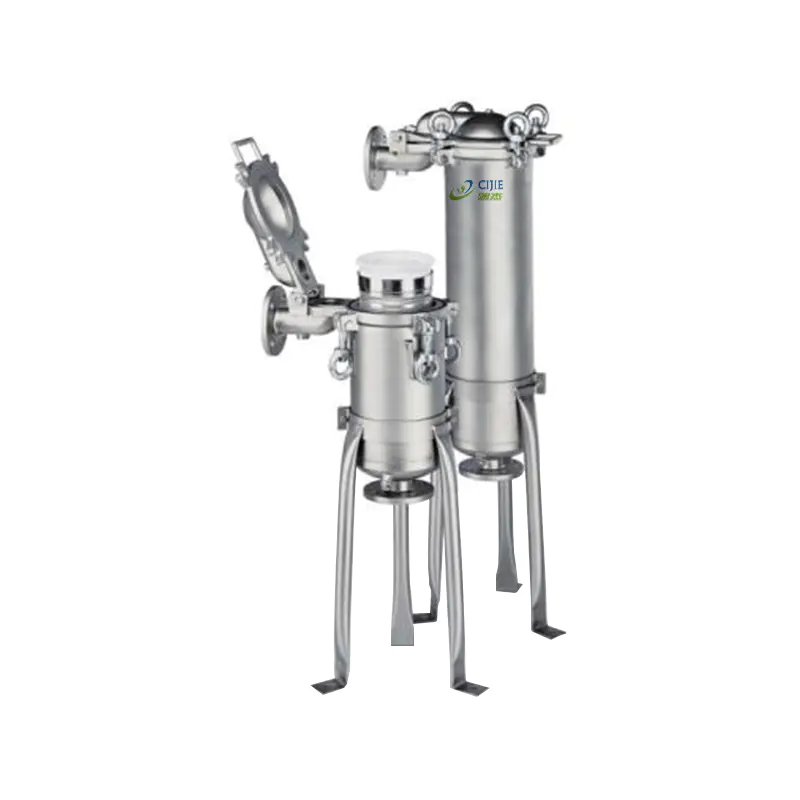
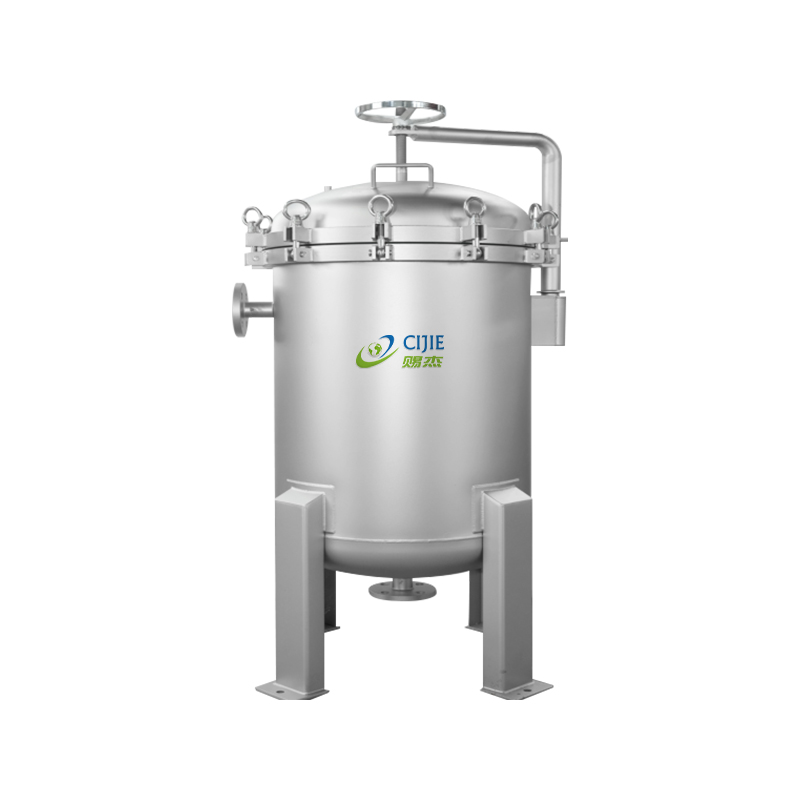
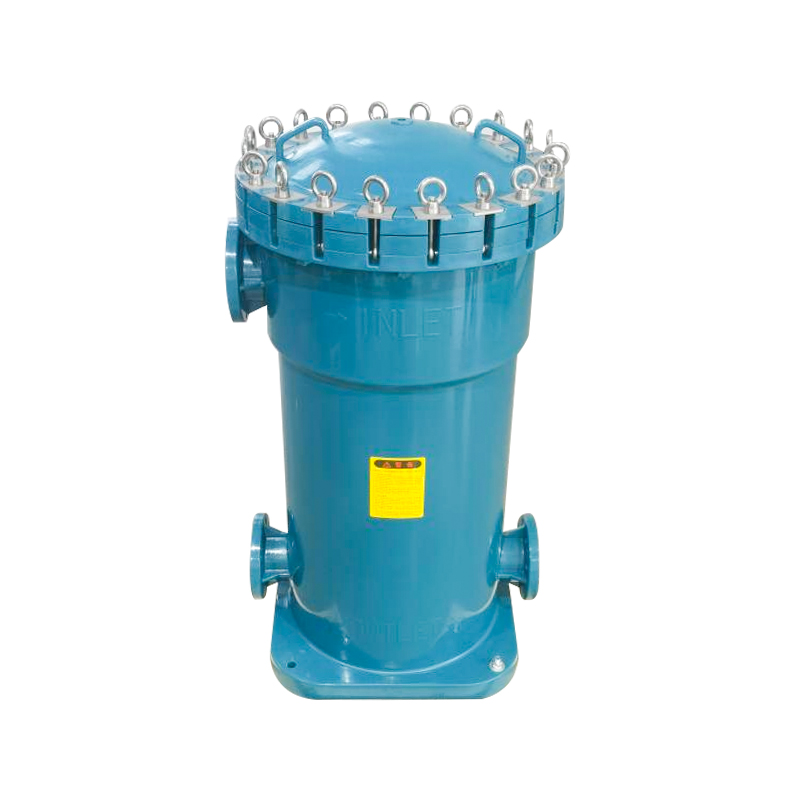
Automatic candle filter are a type of industrial filtration system designed for continuous liquid-solid separation. They are widely used in chemical, pharmaceutical, and food industries where high efficiency and minimal manual intervention are required. Unlike conventional filters, these systems use vertically arranged filter elements, called "candles," which allow for automatic cleaning without stopping the filtration process.
Key Components of an Automatic Candle Filter
The performance of an automatic candle filter depends on its core components. Understanding each element can help in optimizing the system and troubleshooting potential issues.
Filter Candles
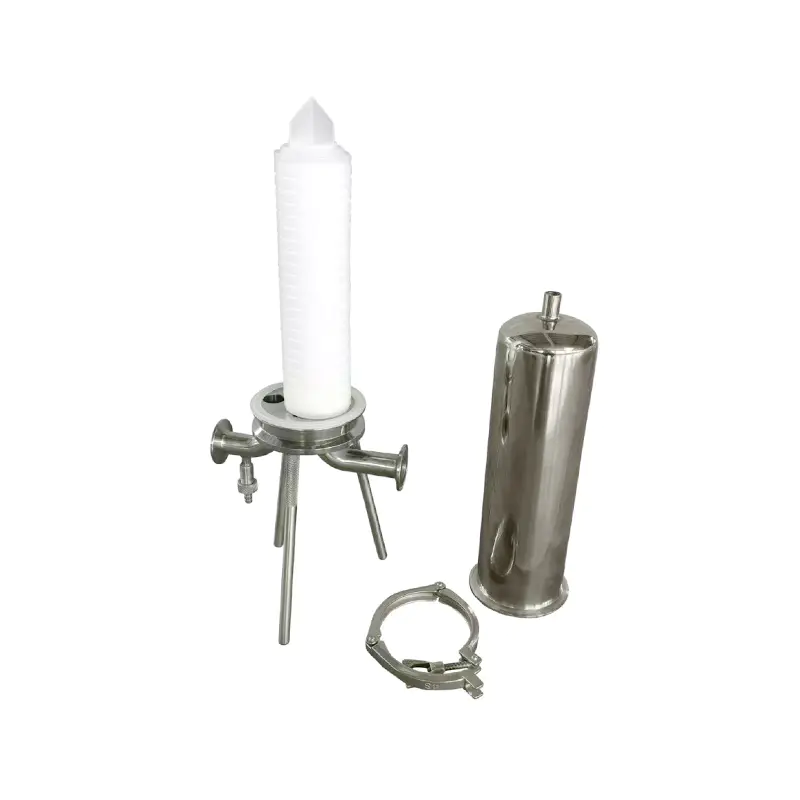
These are the primary filtration elements, typically made from stainless steel, ceramic, or polyester. Their surface captures solid particles from liquids. The choice of candle material depends on the chemical properties of the liquid, operating temperature, and required filtration precision.
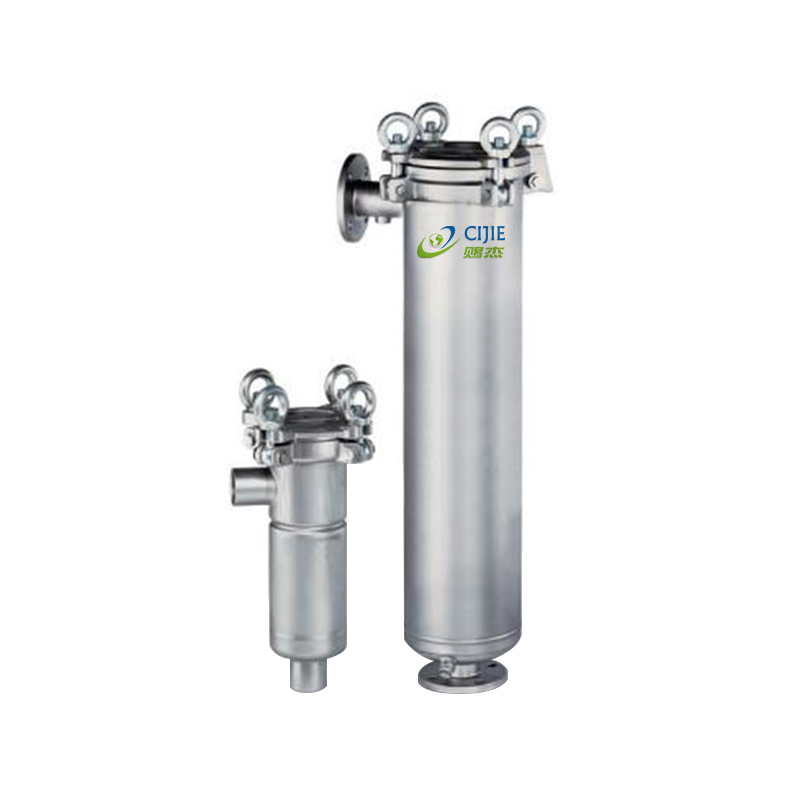
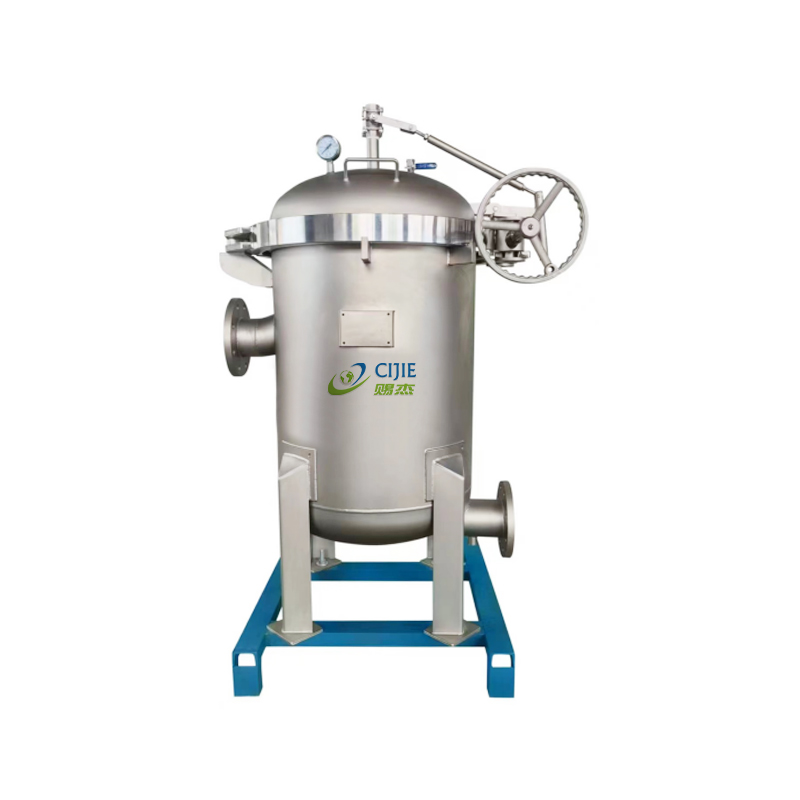
Filter Housing
The filter housing provides structural support for the candle elements and ensures the containment of the liquid during filtration. It is often constructed from corrosion-resistant materials to withstand harsh industrial environments.
Automatic Cleaning Mechanism
Automatic candle filters feature a backwashing or pulse-cleaning mechanism. This system periodically removes accumulated solids from the candle surfaces, ensuring continuous filtration without frequent shutdowns. Efficient cleaning increases filter lifespan and reduces labor costs.
Advantages of Using Automatic Candle Filters
Automatic candle filters provide several operational benefits that make them preferred in many industrial processes. Understanding these advantages can help companies choose the right filtration solution for their production needs.
- Continuous Operation: Eliminates the need for frequent shutdowns due to filter clogging.
- High Filtration Efficiency: Capable of capturing fine particles with precision, improving product quality.
- Reduced Labor Costs: Automatic cleaning reduces manual intervention and monitoring.
- Longer Filter Life: Durable filter candles and automated maintenance extend operational longevity.
- Versatile Applications: Can handle a variety of liquid-solid mixtures in chemical, pharmaceutical, and food industries.
Applications in Industry
Automatic candle filters are highly versatile and are applied in several industries where liquid-solid separation is critical. Each industry benefits differently based on the nature of the liquid and solid materials being processed.
Chemical Industry
In chemical processing, these filters remove solid impurities from acids, alkalis, and solvents. They help maintain product purity, reduce equipment corrosion, and improve process safety.
Pharmaceutical Industry
Pharmaceutical production requires extremely high filtration precision. Automatic candle filters can separate fine crystals or particulate matter from liquid solutions, ensuring compliance with strict quality standards.
Food and Beverage Industry
These filters are used to clarify liquids such as sugar syrups, oils, and fruit juices. Their automated cleaning function ensures minimal downtime and consistent product quality.
Maintenance and Troubleshooting Tips
Maintaining an automatic candle filter ensures optimal performance and prevents unexpected failures. Regular inspection, cleaning, and monitoring are essential for long-term reliability.
- Inspect candles for cracks or wear every 6–12 months.
- Check automatic cleaning cycles and backwash pressure to prevent clogging.
- Replace seals and gaskets regularly to prevent leakage.
- Monitor filtration pressure drop; sudden changes may indicate blockages.
- Use compatible cleaning chemicals to prevent material corrosion.
Comparison Table of Candle Filter Types
| Filter Type | Material | Typical Application | Cleaning Method |
| Stainless Steel Candle | Stainless Steel | Chemical & Pharmaceutical | Backwash / Pulse Cleaning |
| Ceramic Candle | Ceramic | Food & Beverages | Backwash Cleaning |
| Polyester Candle | Polyester | Low-Temperature Liquids | Pulse Cleaning |
Conclusion
Automatic candle filters offer an efficient, reliable, and low-maintenance solution for industrial filtration. By understanding the components, advantages, and applications, businesses can optimize their processes and ensure high product quality. Regular maintenance and proper selection of filter type are key to maximizing operational efficiency and extending filter life.

 Phone: +86 182 1733 6020
 Add: No.7 Industrial Park, Xiayuan Town, Rugao City, Jiangsu Province