


 English
 русский
 Français
 Español
 Deutsch
 Tiếng Việt
Understanding Cartridge Filter Housing
Cartridge filter housing is a critical component in water filtration systems used across industrial, commercial, and residential applications. It serves as a protective casing for filter cartridges, ensuring water passes through the filtration medium efficiently while preventing leaks or contamination. Choosing the right cartridge filter housing is essential for optimizing performance and maintaining clean water standards.
Types of Cartridge Filter Housings
Cartridge filter housings are available in various designs and materials depending on the application and water quality requirements. The most common types include:
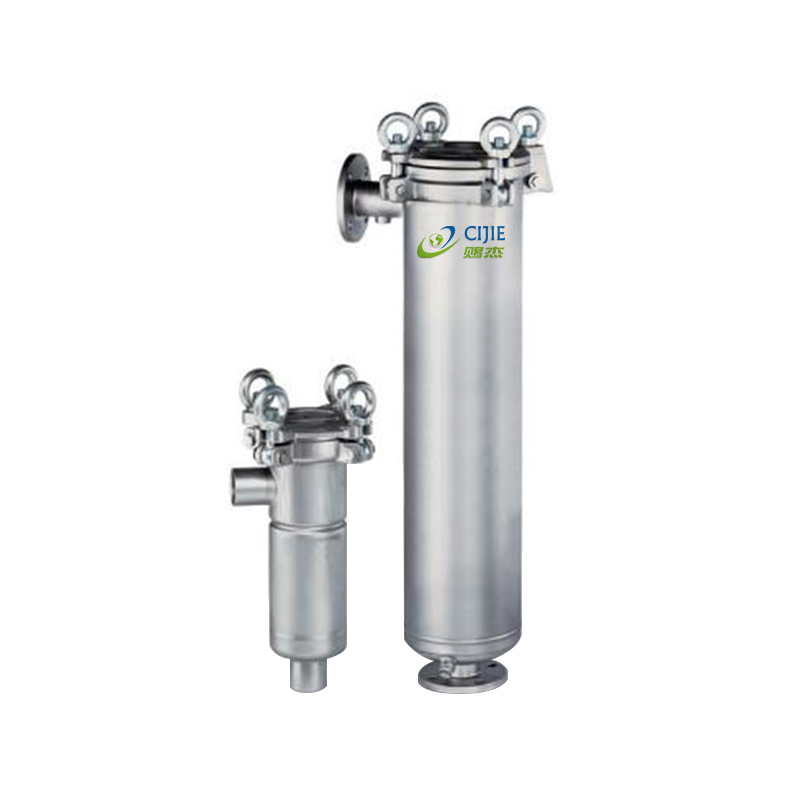
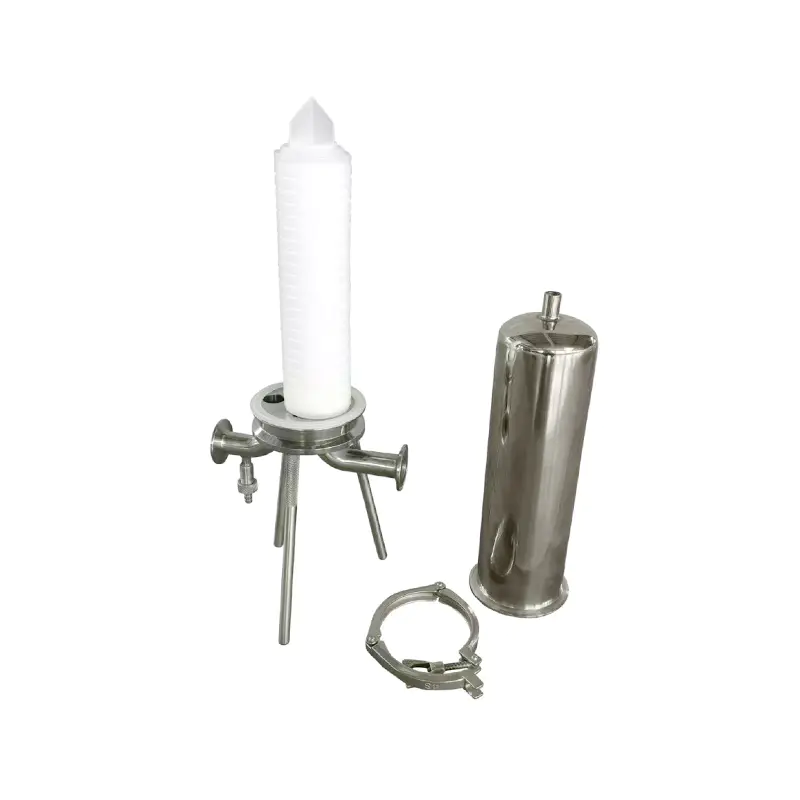
- Single Cartridge Housing – Ideal for low-flow systems and small-scale applications.
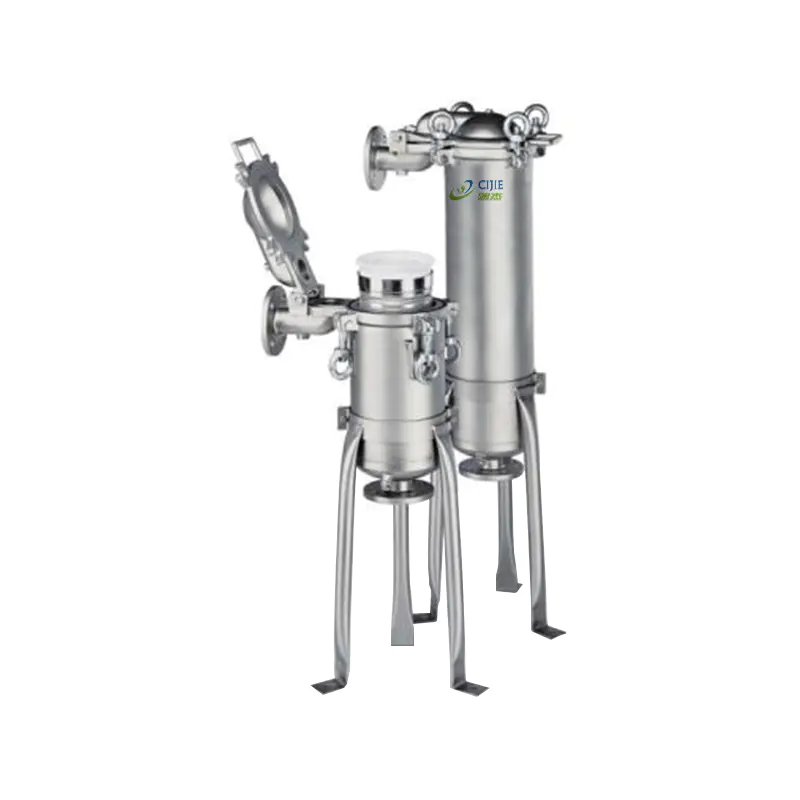
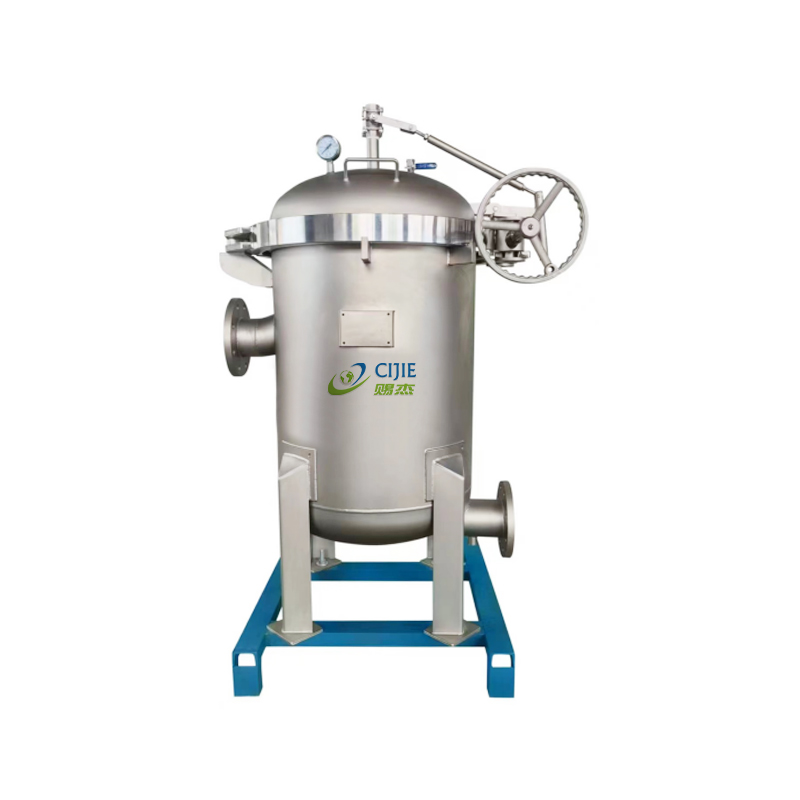
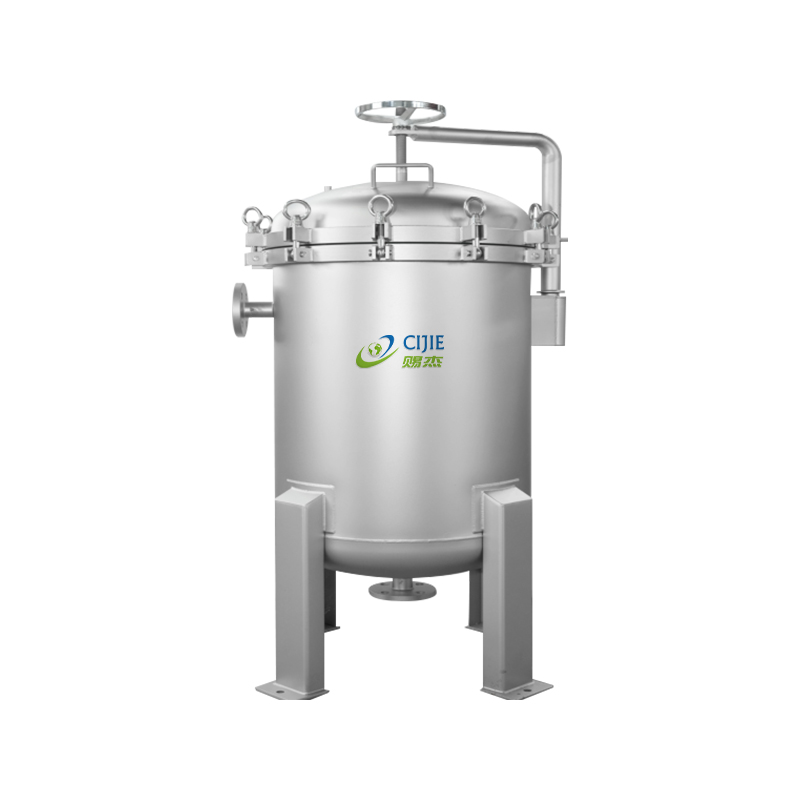
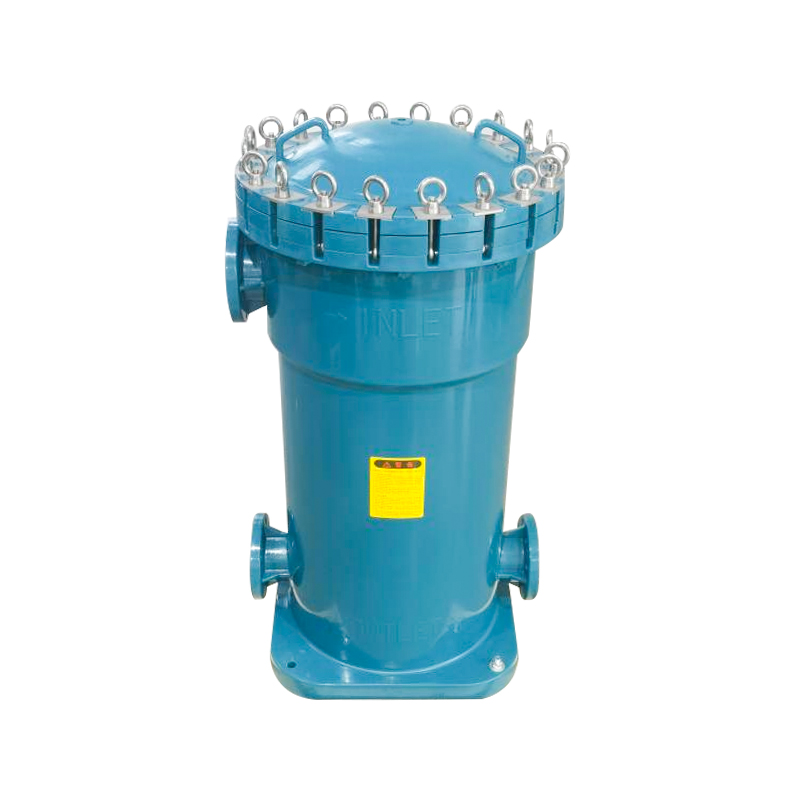
- Multi-Cartridge Housing – Accommodates multiple cartridges for higher flow rates and industrial use.
- Stainless Steel Housing – Suitable for corrosive environments and high-temperature applications.
- Plastic Housing – Lightweight, cost-effective, and commonly used for residential water filtration.
Materials and Construction
Selecting the right material for cartridge filter housing is crucial to durability and compatibility with the filtered fluid. Popular materials include:
- Polypropylene – Resistant to chemicals and affordable for everyday use.
- Stainless Steel 304/316 – Excellent corrosion resistance, ideal for industrial processes.
- Polycarbonate – Transparent option for visual inspection of filter condition.
Construction features such as O-ring seals, clamp closures, and support baskets enhance the performance and longevity of the housing, ensuring leak-free operation under high pressure.
Choosing the Right Cartridge Filter Housing
Selecting the correct housing depends on several factors including flow rate, water quality, operating pressure, and maintenance requirements. Consider the following:
- Flow Rate – Ensure the housing can accommodate the system’s peak flow without causing pressure drop.
- Pressure Rating – Verify the maximum operating pressure matches system requirements.
- Cartridge Size – Confirm compatibility with the cartridge length and diameter used.
- Environmental Conditions – Material should resist corrosion, UV exposure, or high temperatures if applicable.
Installation Best Practices
Proper installation of cartridge filter housing is critical to ensure system efficiency and avoid leaks. Key installation steps include:
- Turn off the water supply before removing the existing housing or installing a new one.
- Ensure the O-ring is properly seated and lubricated to prevent leakage.
- Position the housing vertically, with inlet and outlet clearly marked, to maintain flow direction.
- Do not overtighten the housing; follow manufacturer torque specifications.
- After installation, slowly pressurize the system and check for leaks around the seals and connections.
Maintenance and Cartridge Replacement
Regular maintenance ensures consistent filtration performance and prolongs the life of cartridge filter housing. Consider these tips:
- Inspect the housing and O-ring for cracks or wear during each cartridge replacement.
- Replace cartridges according to the water quality and manufacturer recommendations.
- Clean the housing interior with mild detergent if debris or biofilm accumulates.
- Check for leaks after reassembling the housing and before returning to full operation.
Typical Replacement Intervals
The lifespan of a filter cartridge varies depending on water quality, flow rate, and system pressure. The following table provides general guidelines:
| Filter Type | Water Quality | Replacement Interval |
| Sediment Cartridge | Moderate turbidity | 3–6 months |
| Carbon Cartridge | Chlorine or odor removal | 6–12 months |
| Micron Filter | High particulate load | 1–3 months |
Troubleshooting Common Issues
Even with proper installation and maintenance, issues may arise. Common problems and solutions include:
- Leakage: Check the O-ring and ensure it is correctly seated and not damaged.
- Pressure Drop: Replace clogged cartridges and verify correct housing size for the system flow rate.
- Contaminated Water: Ensure cartridges are compatible with the contaminants and replace them on schedule.
- Housing Cracks: Inspect for material fatigue; consider upgrading to stainless steel or thicker-walled housing if frequent.
Conclusion
Cartridge filter housing is a vital part of any water filtration system. Understanding the types, materials, and proper maintenance ensures optimal performance and longevity. Selecting the right housing and adhering to installation and maintenance best practices prevents system downtime, reduces operational costs, and guarantees clean, safe water. Regular inspection, timely cartridge replacement, and proper sealing techniques are essential steps for maintaining an efficient filtration system.

 Phone: +86 182 1733 6020
 Add: No.7 Industrial Park, Xiayuan Town, Rugao City, Jiangsu Province