


 English


Industry Knowledge
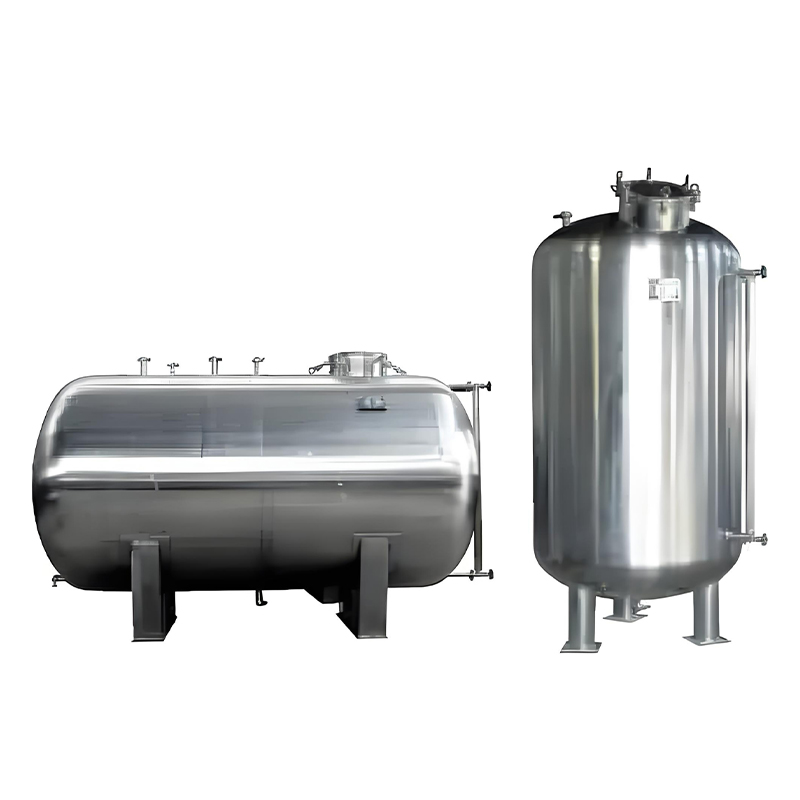
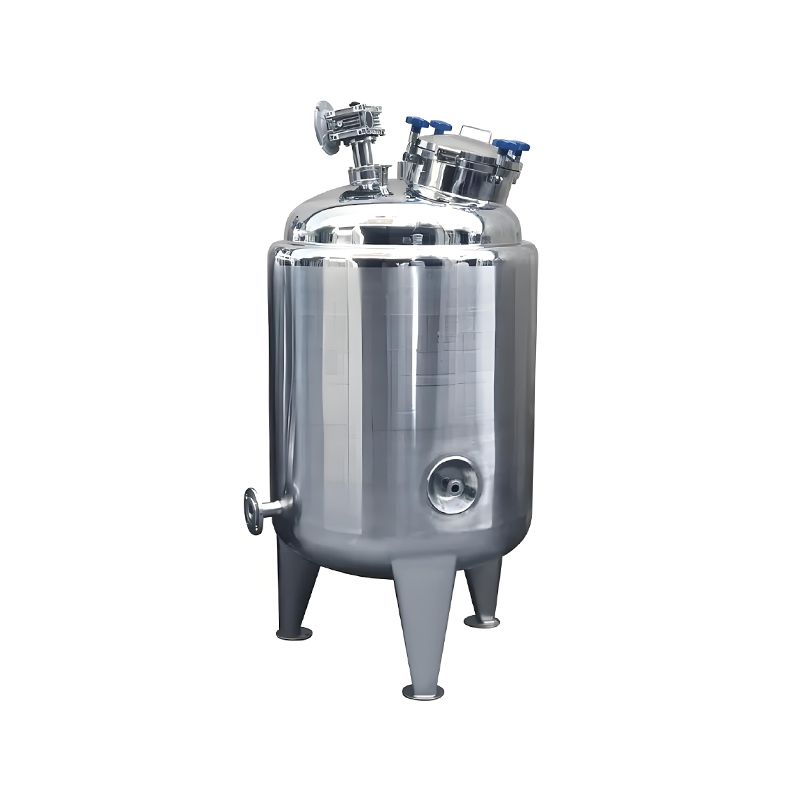
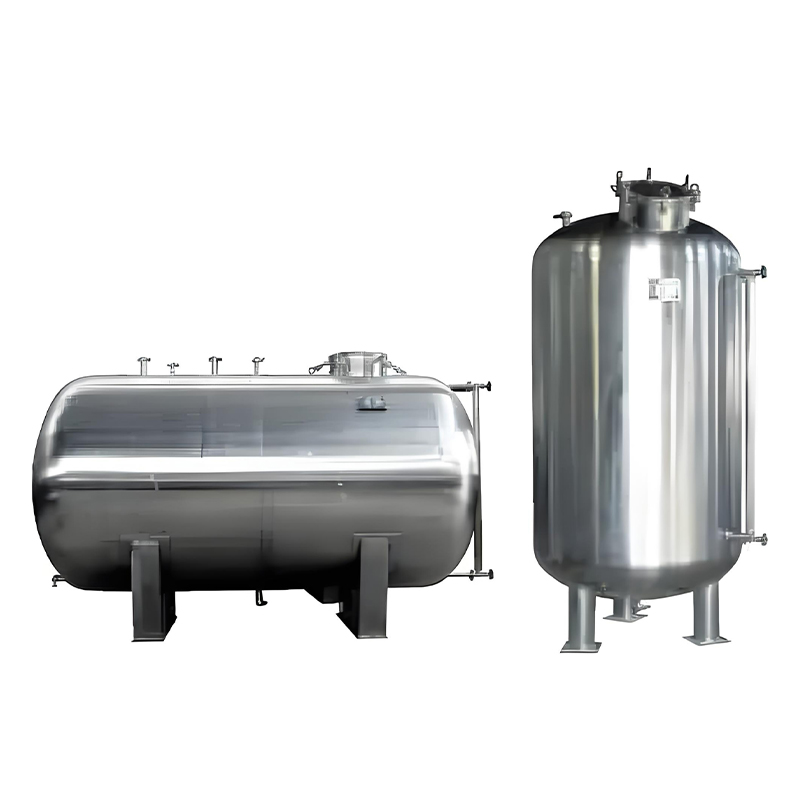
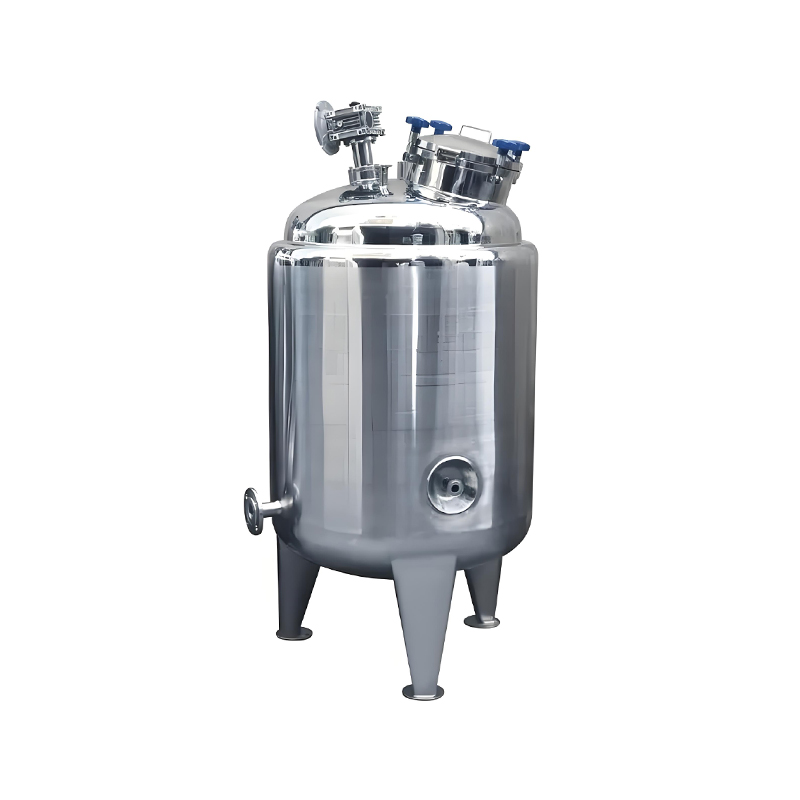
Rugao Cijie Environmental Technology Co.,Ltd. builds Liquid Storage Tank units as part of our wider precision filtration and process equipment range. Our industrial storage tank hold pharmaceutical raw materials, food and beverage ingredients, chemical intermediates and biological media in vessels designed around cleanability, drainability and hygienic operation.
As a China-based Sanitary Storage Tank manufacturer, we combine vessel fabrication with the filtration, CIP and transfer interfaces that surround it, so a tank arrives as part of a working process system rather than an isolated shell.
Where Our Stainless Steel Storage Tank Range Fits
Our tanks serve hygienic liquid storage in pharmaceutical, food, beverage, chemical and biological production. The vessel is normally positioned upstream of filtration or filling, downstream of reaction or blending, or as a buffer between process stages where product must be held without contamination risk.
- Pharmaceutical: raw materials, extracts, formulation liquids and purified water holding.
- Food and beverage: juice, drinking water, syrups, additives and edible oil storage.
- Chemical: raw materials, intermediates and finished liquid products requiring cleanliness.
- Biological products: cell culture media and biological agents held under controlled conditions.
Construction and Material Selection
We fabricate tank bodies and wetted liners in SUS316L or SUS304 stainless steel. Selection follows the product chemistry, chloride exposure and cleaning regime rather than a default grade. Material certificates are issued with the equipment, and incoming plate and fittings pass dimensional and grade verification before fabrication.
| Configuration | Options We Build | Typical Application |
|---|---|---|
| Orientation | Vertical or horizontal | Vertical for floor-space economy; horizontal for low-headroom rooms and transport |
| Wall construction | Single layer, double layer with insulation, three layer with insulation and jacket | Insulation for temperature-sensitive product; jacket for heating or cooling duty |
| Pressure duty | Pressure vessel and non-pressure vessel designs | Pressure design for pressurised transfer, sterile hold or gas blanketing |
| Interior finish | Mirror polish, roughness Ra ≤ 0.4 µm | Hygienic service where residue retention and cleaning validation matter |
| Exterior finish | Mirror, matte, sandblasted or cold-rolled mill finish | Matched to room washdown practice and plant appearance standards |
Nozzles, Attachments and Process Interfaces
Nozzle layout is agreed on the approved drawing before cutting begins. We position connections so that filling, venting, draining and instrument reading remain accessible from the operating side of the vessel, and so that the tank drains completely through the outlet.
Access and inspection
Sanitary manways, sight glasses, sight and light ports for internal inspection.
Cleaning
CIP ports and spray balls sized to the tank diameter and cleaning circuit.
Instrumentation
Liquid level gauges, thermometers, pressure gauges, weighing modules, safety valves and respirators.
Piping
Liquid inlet and outlet plus other process openings to match the line schedule.
Working With Our Filtration Range
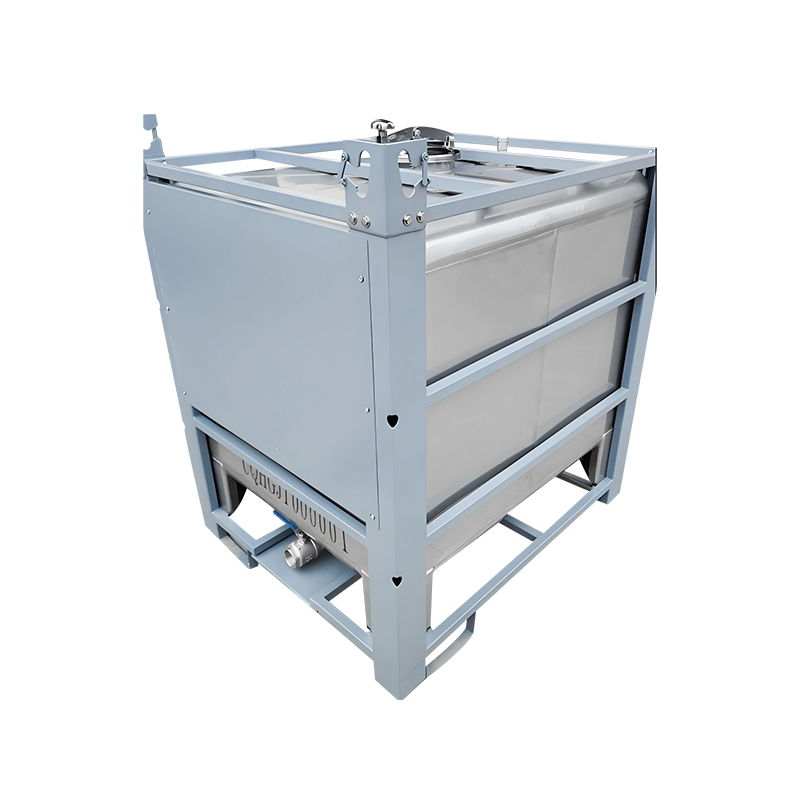
Storage and filtration are usually specified together. Product drawn from a sanitary tank is commonly polished through a Bag Filter or Cartridge Filters before filling, and self-cleaning duty can be handled by our CJZT Automatic Candle Filter. For liquid logistics, the Stainless Steel IBC Tank complements fixed storage where batches must move between buildings or sites.
Capacity, Dimensions and Engineering Limits
Volume, diameter-to-height ratio, headroom and floor loading are reviewed together. Capacity is quoted as gross and working volume, with the working figure reflecting the highest safe fill level and the nozzle positions on the drawing.
- Working volume: fixed by process batch size, not by nominal vessel volume alone.
- Design pressure and vacuum: stated for the shell and jacket separately where a jacket is fitted.
- Design temperature: drives insulation thickness and jacket media selection.
- Operating weight: full-of-liquid mass used for support and floor-loading checks.
- Support type: skirt, leg or saddle arrangement suited to the orientation and room layout.
Controls, Automation and Utilities
Instrument connections are planned around the plant control philosophy. Level, temperature and pressure signals can be supplied with the matching nozzle and fitting preparation so that transmitters, load cells or gauges are installed without later modification of a polished surface.
- We agree signal types and connection sizes with the automation scope before release to fabrication.
- CIP supply, compressed air for valves and jacket heating or cooling media are routed to suit the room layout.
- Safety valves and respirators are positioned to vent away from operating and walkway areas.
Fabrication Quality and Acceptance
Production follows a documented ISO 9001 quality management system with incoming material inspection, in-process checks and outgoing inspection. Weld quality, dimensional accuracy, polish roughness and nozzle orientation are inspected at defined stages, with non-conforming work isolated before it moves forward.
- Material certificates for wetted plate and fittings.
- Dimensional and nozzle-position checks against the approved drawing.
- Surface roughness verification on the polished interior.
- Hydrostatic testing of the vessel before dispatch.
- Final inspection of finish, cleanliness, labelling and accompanying documents.
- CE marking, FDA compliance for food and pharmaceutical contact, and 304/316L material certification available with the equipment.
Installation, Cleaning and Long-Term Service
We supply the tank with the documentation needed for site installation: general arrangement drawing, nozzle schedule, support details and operating information. Our team reviews the installation arrangement with the project engineer so that headroom, access to manways and clearance for valve operation are confirmed before the equipment arrives.
Routine maintenance centres on gasket inspection, spray ball condition, instrument calibration and interior surface checks during planned shutdowns. Wearing items such as gaskets, spray balls and seals are identified in the documentation, and spare parts and technical support are handled through our after-sales and maintenance channel.
Information We Use to Configure Your Solution
A proposal is prepared from the working point, not from a catalogue size. We ask for the following so that the drawing, material and accessory list match the process.
| Project Input | What It Determines |
|---|---|
| Stored product and concentration | Steel grade, interior finish and gasket material |
| Working volume and batch size | Shell diameter, straight height and head form |
| Design pressure, vacuum and temperature | Wall thickness, pressure-vessel classification and test pressure |
| Room height, floor loading and access route | Orientation, support style and site assembly scope |
| Nozzle schedule and line sizes | Connection table, flange standard and agitator or probe locations |
| CIP and cleaning protocol | Spray ball size, port count and surface finish requirement |
| Instrumentation and control signals | Level, temperature and pressure fitting preparation |
| Finish and documentation requirements | Exterior treatment, certificate pack and inspection plan |
Frequently Asked Questions
What grades of stainless steel do you use for sanitary storage tanks?
Tank bodies and wetted liners are built in SUS316L or SUS304. We select the grade against the stored product, chloride level and cleaning chemicals, and supply material certificates confirming the grade used.
What interior surface finish is standard?
The interior is mirror polished to Ra ≤ 0.4 µm, which gives a smooth, cleanable surface for hygienic duty. The exterior can be supplied in matte, mirror, sandblasted or cold-rolled mill finish according to the room and appearance requirements.
Can the tanks be supplied with insulation and a jacket?
Yes. We build single-layer tanks, double-layer tanks with an insulation layer, and three-layer tanks combining insulation with a jacket for heating or cooling media. The choice follows the product's temperature sensitivity and the required hold time.
Which nozzles and accessories can be included?
Sanitary manways, sight glasses, liquid inlet and outlet connections, other process openings, CIP cleaning ports, liquid level gauges, thermometers, cleaning balls, respirators, weighing modules, pressure gauges and safety valves are all available. The nozzle schedule is fixed on the approved drawing before fabrication.
How is a sanitary storage tank tested before delivery?
Each vessel passes dimensional and nozzle-position checks, surface roughness verification on the polished interior and hydrostatic testing before dispatch. Final outgoing inspection covers finish, cleanliness, labelling and the accompanying certificate and manual pack.
Do you support OEM and ODM builds for distributors?
We provide OEM and ODM customization for our process equipment, including stainless steel sanitary storage tanks built to customer drawings and specifications. Our engineering team works from the process data, connection schedule and site constraints to produce a configuration that can be reviewed and approved before production.