


 English
 русский
 Français
 Español
 Deutsch
 Tiếng Việt
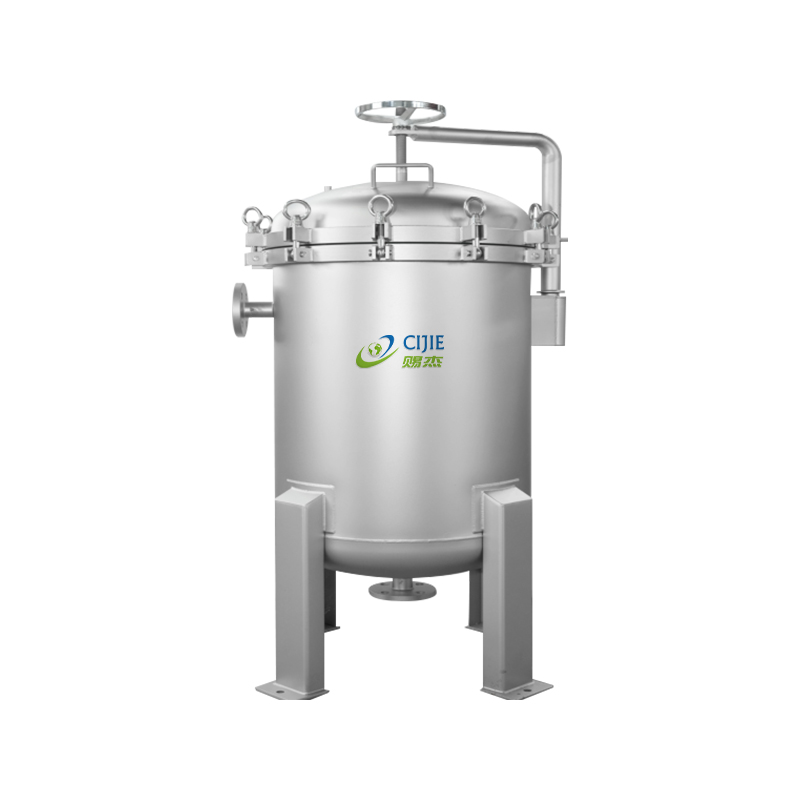
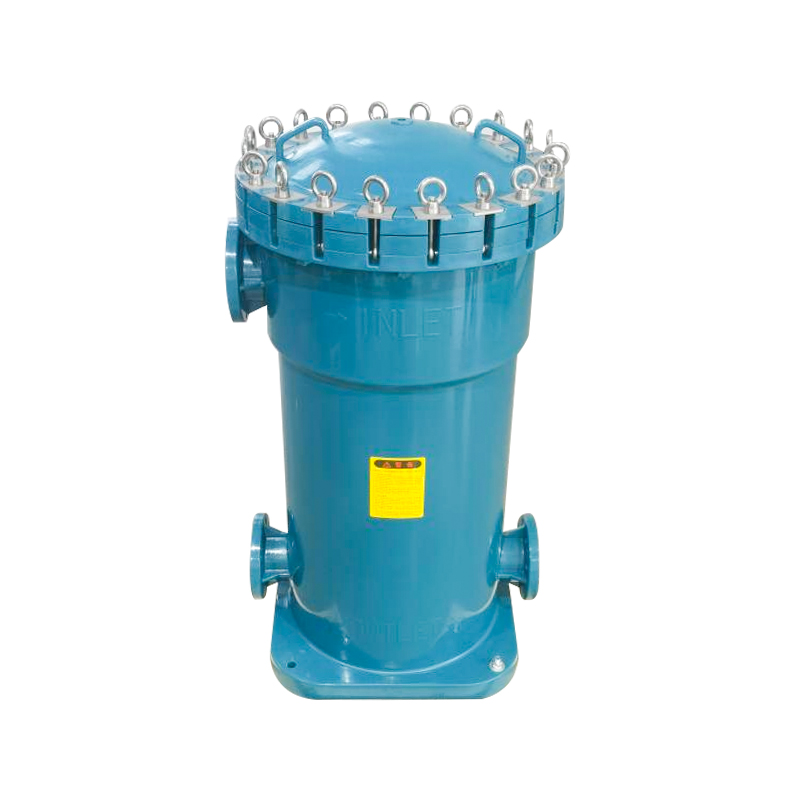
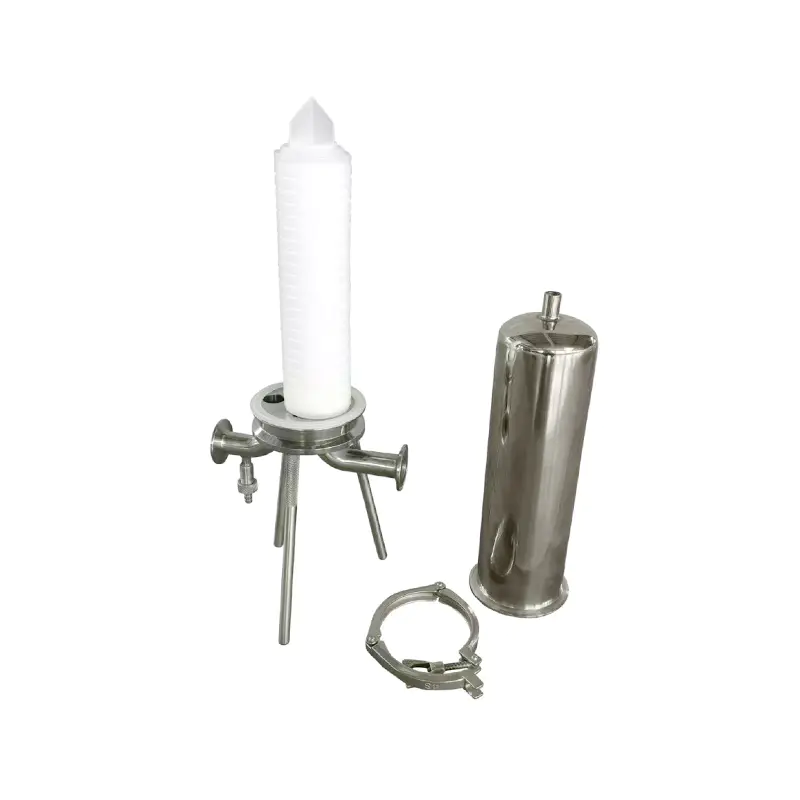
Introduction to Bag Filter Systems
Bag filter systems are essential components in industrial air filtration, particularly for controlling dust and particulate emissions. When combined with other filtration methods, such as cyclone separators or electrostatic precipitators, bag filters can significantly enhance overall efficiency, ensuring compliance with environmental regulations and improving workplace air quality.
How Bag Filters Work in Combined Systems
A bag filter captures dust particles by passing contaminated air through a series of fabric bags. The dust accumulates on the bag surface while clean air exits the system. When combined with pre-filtration units such as cyclones, bag filters can handle higher dust loads and extend the filter life. The combination of filtration methods optimizes efficiency and reduces maintenance frequency.
Cyclone and Bag Filter Integration
Cyclone separators remove larger particles before air reaches the bag filter. This reduces wear on the fabric bags and prevents frequent clogging. By capturing coarse dust first, the bag filter focuses on fine particles, improving the system’s overall performance.
Electrostatic Precipitators and Bag Filters
Electrostatic precipitators (ESPs) can be used to pre-clean the air, especially in applications with fine and sticky particles. The bag filter then acts as a polishing unit, removing residual dust. This combination is particularly effective in cement, power, and chemical plants where dust particles vary in size and composition.
Key Advantages of Combined Bag Filter Systems
Combining bag filters with other filtration methods offers multiple advantages for industrial applications:
- Improved filtration efficiency for both fine and coarse dust particles
- Extended filter bag lifespan due to pre-filtration of heavy dust loads
- Reduced maintenance costs and downtime
- Compliance with strict air pollution control standards
- Flexible design options suitable for diverse industrial environments
Design Considerations for Combined Bag Filter Systems
Designing an effective combined bag filter system requires attention to several factors. The selection of filter media, airflow rates, and pre-filtration methods must align with the type of dust and operational conditions. Improper design can lead to increased pressure drop, frequent maintenance, and reduced system efficiency.
Filter Media Selection
The choice of fabric material directly impacts filtration performance. Common options include polyester, polypropylene, and PTFE. Each material offers specific benefits such as chemical resistance, high temperature tolerance, and durability. Combined systems often require a balance between mechanical strength and filtration efficiency.
Airflow Rate and Pressure Drop
Maintaining optimal airflow ensures consistent performance without overloading the system. Pre-filters reduce the burden on bag filters, minimizing pressure drop and energy consumption. Engineers must carefully calculate airflow and dust load to prevent premature bag wear and system inefficiencies.
Maintenance Strategies for Maximum Efficiency
Regular maintenance is critical for the longevity and performance of combined bag filter systems. Scheduled inspections, timely bag replacement, and proper cleaning methods ensure that the system operates at peak efficiency. Neglecting maintenance can lead to increased emissions, higher energy costs, and unexpected downtime.
Cleaning Methods
Common cleaning methods include reverse air, shaker, and pulse jet systems. Pulse jet cleaning is most effective in combined systems, as it quickly dislodges accumulated dust from the bag surface without halting operations. Proper cleaning intervals prevent excessive dust buildup and reduce the risk of bag rupture.
Inspection and Bag Replacement
Frequent inspections detect signs of wear, tearing, or chemical degradation. Replacing damaged bags promptly ensures consistent air quality and avoids costly downtime. Combined systems allow for staged replacements, minimizing production interruptions.
Practical Applications of Combined Bag Filter Systems
Industries with high dust emissions benefit significantly from combined bag filter systems. Key applications include:
- Cement production facilities for handling fine cement dust
- Power plants using coal-fired boilers
- Chemical plants with variable particle sizes and sticky dust
- Metal processing industries for capturing welding fumes and grinding dust
- Pharmaceutical production requiring strict air purity standards
Performance Comparison Table
| System Type | Dust Capture Efficiency | Maintenance Frequency | Energy Consumption |
| Bag Filter Alone | 85-90% | High | Moderate |
| Cyclone + Bag Filter | 95-98% | Moderate | Low-Moderate |
| ESP + Bag Filter | 98-99.5% | Low | Moderate-High |
Conclusion
Combining bag filters with other air filtration technologies offers significant advantages in industrial dust control. By optimizing efficiency, extending filter lifespan, and reducing maintenance costs, combined systems provide practical solutions for industries dealing with high dust loads. Careful design, proper maintenance, and informed selection of pre-filtration methods ensure that these systems consistently deliver high performance and regulatory compliance.

 Phone: +86 182 1733 6020
 Add: No.7 Industrial Park, Xiayuan Town, Rugao City, Jiangsu Province