


 English
 русский
 Français
 Español
 Deutsch
 Tiếng Việt
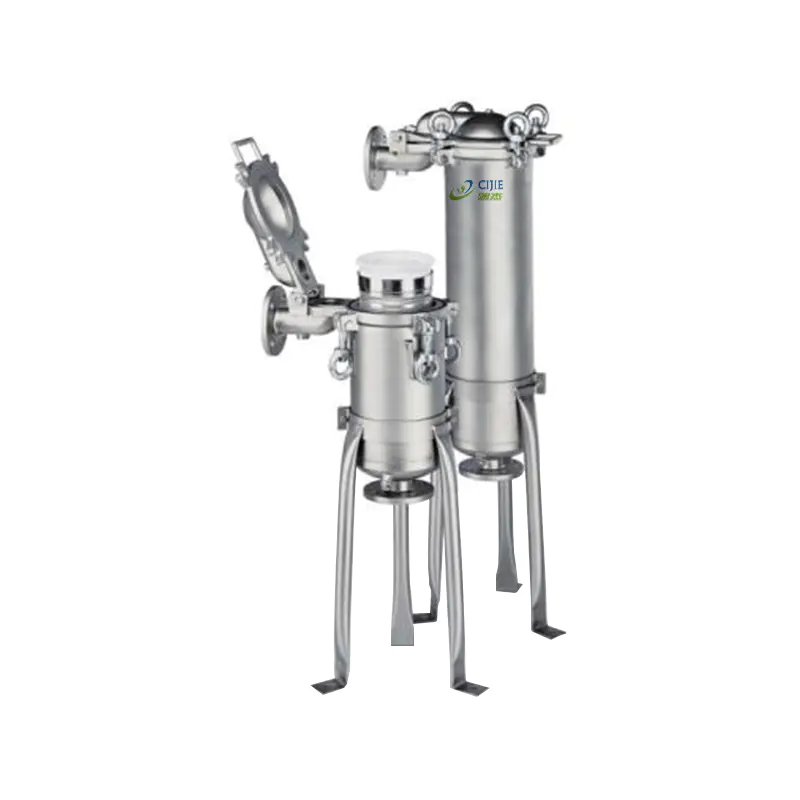
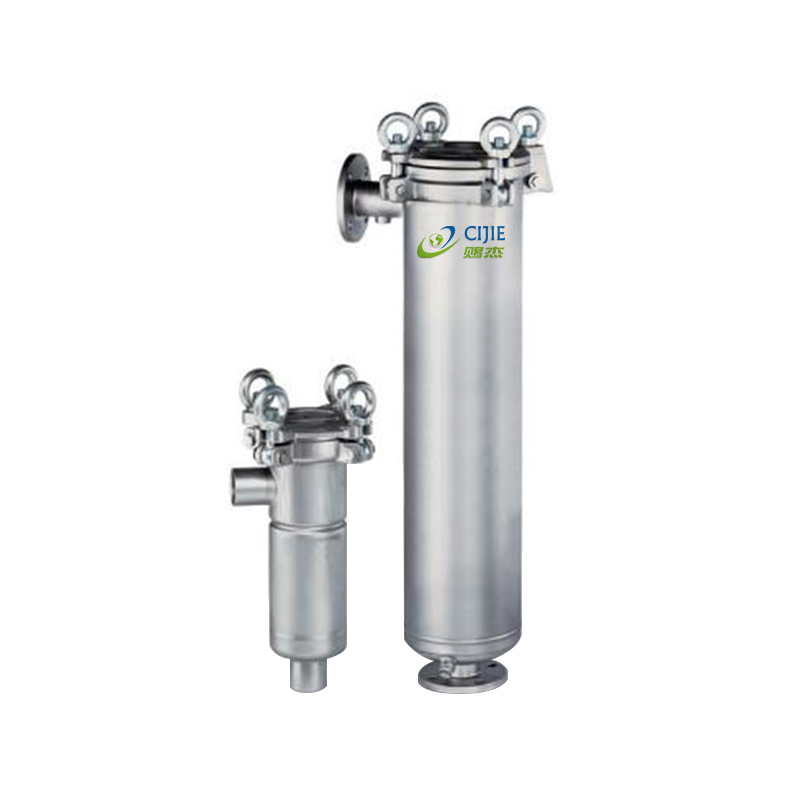
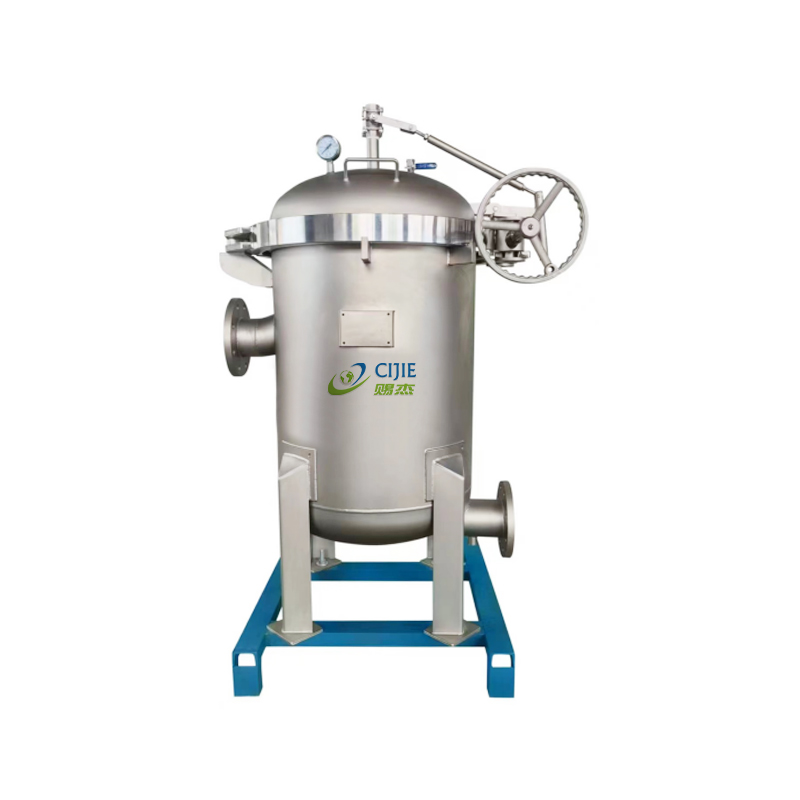
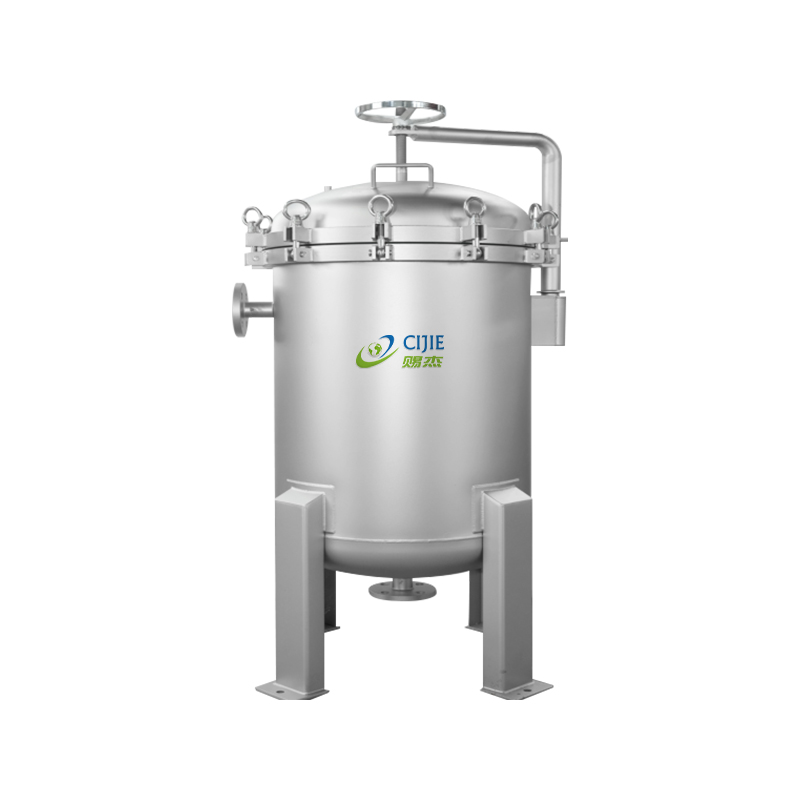
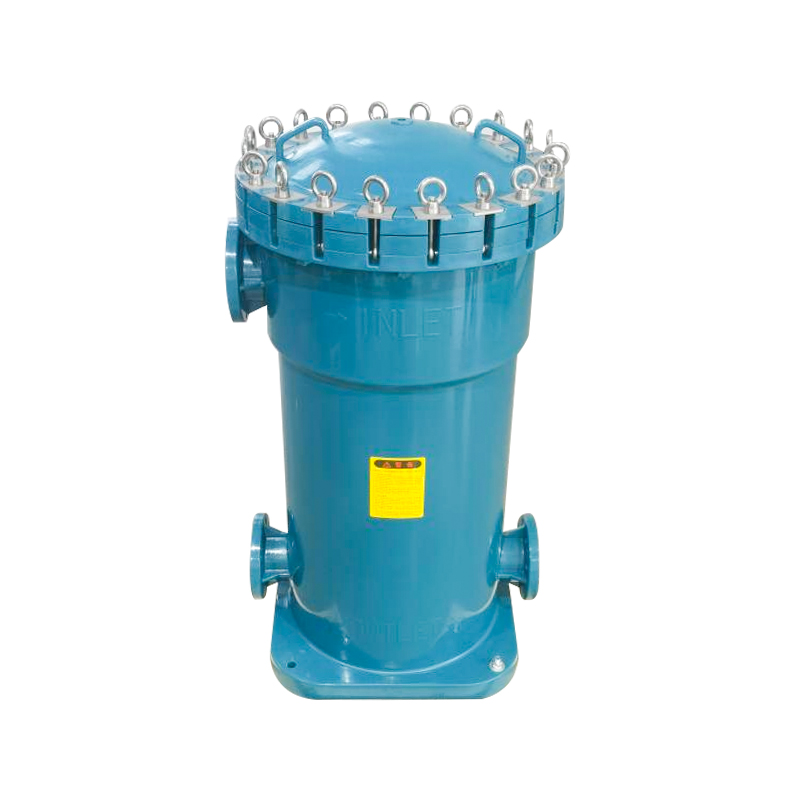
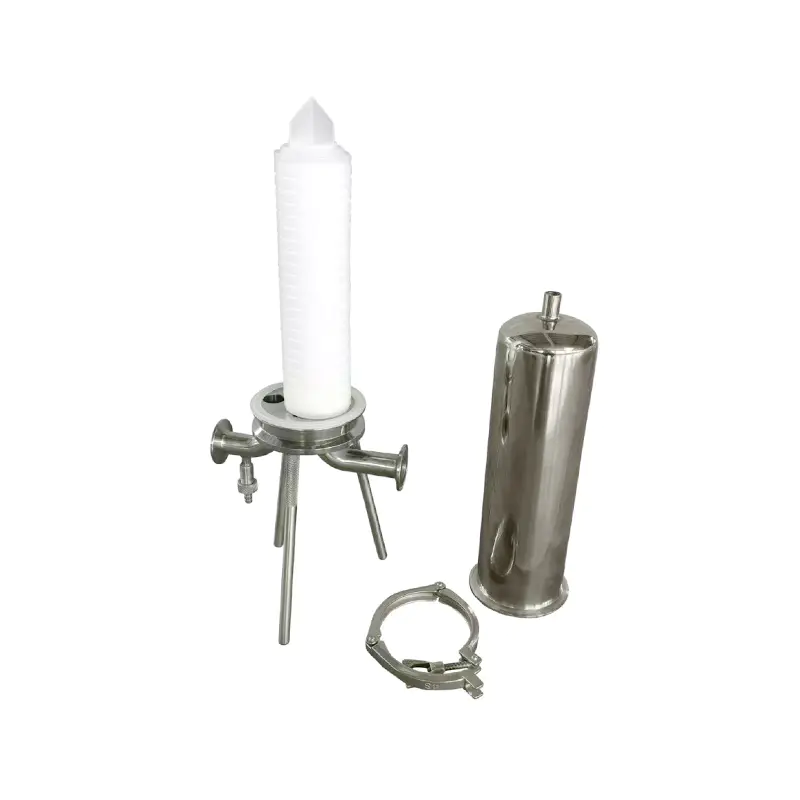
A liquid single core filter is a precision filtration device designed with a single cylindrical filter element housed within a protective casing, engineered to remove particulates and contaminants from liquid streams in industrial processes. These filters deliver filtration efficiencies ranging from 95% to 99.9% depending on the micron rating and application, making them essential components in chemical processing, pharmaceutical manufacturing, water treatment, and food and beverage production.
The single core design provides a compact footprint while maintaining high flow rates, typically handling 10 to 500 gallons per minute (GPM) based on housing size and filter media specifications. This configuration allows for straightforward maintenance and element replacement, reducing operational downtime compared to multi-cartridge systems.
How Liquid Single Core Filters Operate
The operational principle centers on directional flow through a singular filtration element. Contaminated liquid enters the filter housing through an inlet port, flows radially through the filter core from outside to inside (or vice versa depending on design), and exits through the outlet port as purified liquid.
Flow Direction Configurations
Two primary flow patterns dominate single core filter designs:
- Outside-in flow: Liquid flows from the outer surface toward the center core, with contaminants trapped on the external surface. This configuration handles higher dirt-loading capacity and simplifies visual inspection.
- Inside-out flow: Liquid enters the center core and flows outward through the media. This design offers better structural integrity under high differential pressures exceeding 50 psi.
Pressure Differential Monitoring
Most installations incorporate differential pressure gauges measuring the pressure drop across the filter element. A clean filter typically shows 2-5 psi differential, while readings exceeding 15-25 psi indicate saturation requiring element replacement. This monitoring prevents system performance degradation and protects downstream equipment.
Filter Media Types and Micron Ratings
The core element material directly influences filtration performance, chemical compatibility, and service life. Selection depends on liquid characteristics, contamination profile, and purity requirements.
| Media Type | Micron Range | Temperature Limit | Primary Applications |
|---|---|---|---|
| Polypropylene Pleated | 0.5 - 100 μm | 180°F (82°C) | General aqueous solutions, acids, caustics |
| Cellulose Depth | 1 - 50 μm | 200°F (93°C) | Hydraulic fluids, lubricating oils |
| Stainless Steel Mesh | 5 - 200 μm | 500°F (260°C) | High-temperature processes, steam |
| PTFE Membrane | 0.1 - 10 μm | 400°F (204°C) | Aggressive chemicals, pharmaceuticals |
| Glass Fiber | 0.3 - 20 μm | 300°F (149°C) | Process water, electroplating solutions |
For pharmaceutical-grade filtration requiring 0.2 μm absolute rating, PTFE membrane filters achieve sterilization-level performance with 99.9999% bacteria retention validated through bubble point testing.
Industrial Applications and Performance Data
Single core filters serve critical functions across diverse industries where liquid purity directly impacts product quality and equipment longevity.
Chemical Manufacturing
In polymer production facilities, single core filters remove catalyst fines and gel particles from monomer streams. A 10-inch single core housing with 5 μm pleated polypropylene element processing 50 GPM of liquid resin demonstrates typical performance, reducing particle counts from 500,000 particles/mL to below 1,000 particles/mL at operating pressures of 60-80 psi.
Food and Beverage Processing
Pre-filtration stages in beverage bottling lines employ single core filters to protect membrane systems. Applications include:
- Wine clarification using 1 μm nominal cellulose depth filters removing yeast cells and protein haze
- Syrup filtration at flow rates of 25-75 GPM with 10-25 μm elements capturing particulates before final sterilization
- Cooking oil polishing achieving turbidity reduction from 50 NTU to less than 5 NTU
Water Treatment Systems
Municipal and industrial water facilities utilize single core filters for sediment removal ahead of reverse osmosis or UV disinfection. A case study from a 500,000 gallon-per-day water treatment plant showed that 20 μm single core pre-filters extended RO membrane life from 18 months to 36 months by reducing Silt Density Index (SDI) values from 4.5 to below 2.0.
Hydraulic and Lubrication Systems
Mobile equipment and industrial machinery rely on single core filters maintaining ISO cleanliness codes. Implementing 3 μm absolute-rated glass fiber elements in hydraulic systems achieves ISO 16/14/11 cleanliness, preventing servo valve failures and extending component life by 200-300%.
Sizing and Selection Criteria
Proper filter sizing balances flow capacity, pressure drop limitations, and element service life to optimize total cost of ownership.
Flow Rate Calculations
Standard filter element lengths include 10, 20, 30, and 40 inches. Flow capacity increases proportionally with element length and surface area:
- 10-inch element: 10-50 GPM depending on micron rating and liquid viscosity
- 20-inch element: 20-100 GPM for general aqueous applications
- 40-inch element: 40-200 GPM at acceptable pressure drop levels
Viscosity Correction Factors
High-viscosity liquids require oversized housings to maintain reasonable pressure drops. For liquids exceeding 10 centipoise (cP), apply correction factors: multiply the base flow rate by 0.7 for 20 cP fluids, 0.5 for 50 cP fluids, and 0.3 for 100 cP fluids to determine actual throughput capacity.
Housing Material Compatibility
Housing construction materials must withstand operating pressures and chemical exposure:
- Carbon steel with epoxy coating: 150 psi maximum, water and mild chemicals
- 304 stainless steel: 300 psi rating, broad chemical compatibility
- 316 stainless steel: 600 psi capability, aggressive acids and high-chloride environments
- PVC or polypropylene: 150 psi limit, corrosive chemicals at ambient temperatures
Maintenance Procedures and Element Replacement
Systematic maintenance maximizes filter performance and prevents unplanned downtime. Establishing replacement schedules based on differential pressure monitoring proves more reliable than calendar-based intervals.
Change-Out Protocol
- Isolate the filter housing using upstream and downstream isolation valves
- Depressurize the housing completely through vent valves until pressure gauge reads 0 psi
- Remove the closure mechanism (swing bolt, threaded cover, or quick-opening closure)
- Extract the saturated element and inspect housing internals for corrosion or sediment accumulation
- Install new element ensuring proper O-ring seating and element centering
- Reassemble housing with torque specifications typically ranging 40-60 ft-lbs for threaded closures
- Slowly re-pressurize while checking for leaks at sealing surfaces
Service Life Optimization
Element longevity varies dramatically based on contamination loading. In clean water service with less than 10 mg/L suspended solids, a 10 μm filter may operate 3-6 months. Heavy contamination exceeding 100 mg/L can reduce service life to days or weeks. Pre-filtration stages extending 50-100 μm significantly improve final filter economics.
Integrity Testing Methods
Critical applications require filter integrity verification post-installation:
- Forward flow test: Measures air flow through wetted membrane at specified pressure, typically 80% of bubble point value
- Water intrusion test: Detects filter breaches by monitoring pressure decay over time, with acceptable rates below 5 psi/minute
- Particle challenge test: Validates retention efficiency using calibrated test suspensions at design flow rates
Cost Analysis and Economic Considerations
Total filtration costs encompass initial equipment investment, replacement elements, labor, and disposal expenses. Single core systems offer economic advantages in moderate flow applications compared to bag or multi-cartridge alternatives.
Equipment Investment
Typical pricing for single core filter housings:
- 10-inch carbon steel housing: $300-$600
- 20-inch 304 stainless housing: $800-$1,500
- 40-inch 316 stainless housing: $2,000-$4,000
Operating Cost Comparison
A facility filtering 100 GPM of process water with 20 mg/L suspended solids faces these annual costs:
- Single 40-inch core system: 24 element changes/year at $45/element = $1,080 plus 8 hours labor
- Bag filter alternative: 150 bag changes/year at $8/bag = $1,200 plus 50 hours labor
- Multi-cartridge system (6 elements): 24 change cycles at $270/cycle = $6,480 plus 12 hours labor
The single core configuration delivers lowest combined material and labor costs for this application profile.
Troubleshooting Common Performance Issues
Operational problems typically manifest as excessive pressure drop, inadequate filtrate quality, or premature element saturation.
Rapid Pressure Drop Increase
When differential pressure rises from clean to change-out levels within hours instead of weeks, investigate:
- Upstream process upset introducing abnormal contamination loads requiring temporary coarser pre-filtration
- Incorrect element selection with micron rating too fine for actual contamination profile
- Flow rate exceeding design capacity causing premature surface blinding
Filtrate Quality Degradation
Downstream particle counts exceeding specifications indicate potential filter bypass:
- O-ring seal failure allowing unfiltered liquid to pass around element ends
- Media damage from pressure surges exceeding element collapse pressure ratings
- Chemical incompatibility degrading filter media integrity
Element Migration or Movement
Improper installation can cause elements to shift during operation, creating bypass paths. Ensure elements seat fully against support structures and utilize anti-telescoping devices for pleated designs. Tighten center rod assemblies to manufacturer specifications, typically 15-25 ft-lbs torque.
Advanced Features and Automation Integration
Modern single core filter systems incorporate monitoring technologies and control interfaces enhancing operational efficiency.
Electronic Pressure Monitoring
Digital differential pressure transmitters provide 4-20 mA signals to programmable logic controllers (PLCs) enabling:
- Automatic element change-out alarms at preset differential thresholds
- Data logging for predictive maintenance scheduling based on historical saturation trends
- Remote monitoring via SCADA systems reducing manual inspection frequency
Automated Bypass Protection
Some configurations include differential pressure-activated bypass valves protecting pumps and downstream equipment. When differential pressure exceeds 30 psi, the bypass opens allowing unfiltered flow while triggering alarms. This prevents housing rupture but compromises filtrate quality, requiring immediate operator intervention.
Duplex Filter Assemblies
For continuous processes requiring uninterrupted filtration, duplex configurations employ two single core housings with diverter valving. Operators switch flow between housings during element changes, maintaining 100% process uptime in critical applications like pharmaceutical manufacturing or semiconductor processing.
Environmental and Safety Compliance
Filter disposal and workplace safety protocols must address contaminated element handling and regulatory requirements.
Hazardous Waste Classification
Spent filter elements containing toxic chemicals or heavy metals may require disposal as hazardous waste. Industries processing RCRA-listed chemicals must characterize saturated elements through Toxicity Characteristic Leaching Procedure (TCLP) testing before disposal. Annual disposal costs can reach $500-$2,000 per ton for hazardous classification versus $50-$150 per ton for non-hazardous waste.
Operator Safety Procedures
Element change-outs expose personnel to process fluids and accumulated contaminants. Safety protocols include:
- Personal protective equipment (PPE) selection based on Safety Data Sheet (SDS) requirements
- Lockout/tagout procedures preventing accidental re-pressurization during maintenance
- Spill containment measures capturing residual liquid volumes, typically 1-5 gallons retained in housings
- Confined space entry permits when accessing large housings exceeding 36-inch diameters

 Phone: +86 182 1733 6020
 Add: No.7 Industrial Park, Xiayuan Town, Rugao City, Jiangsu Province