


 English
 русский
 Français
 Español
 Deutsch
 Tiếng Việt
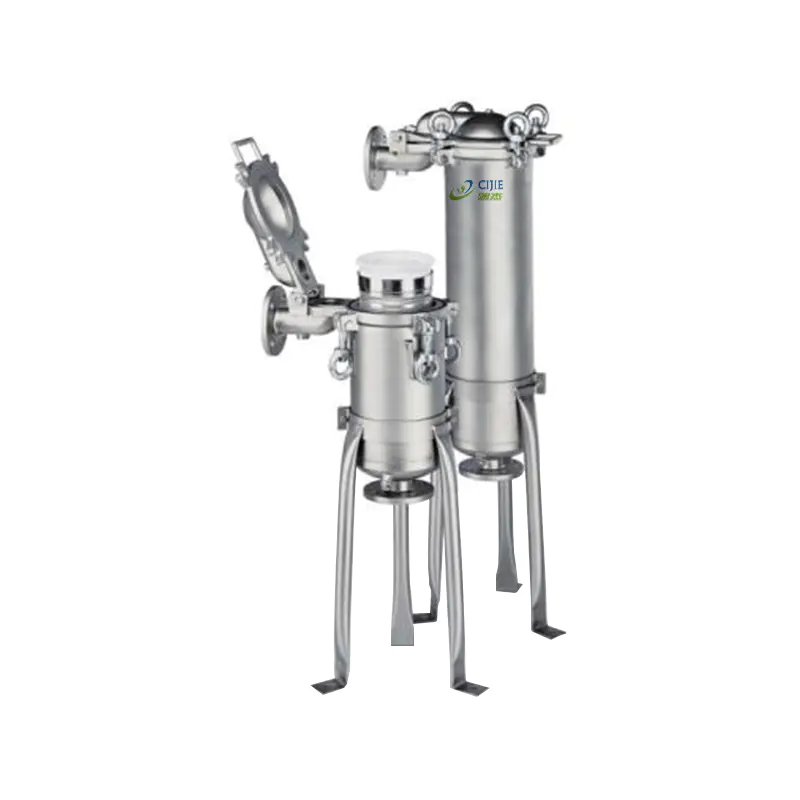
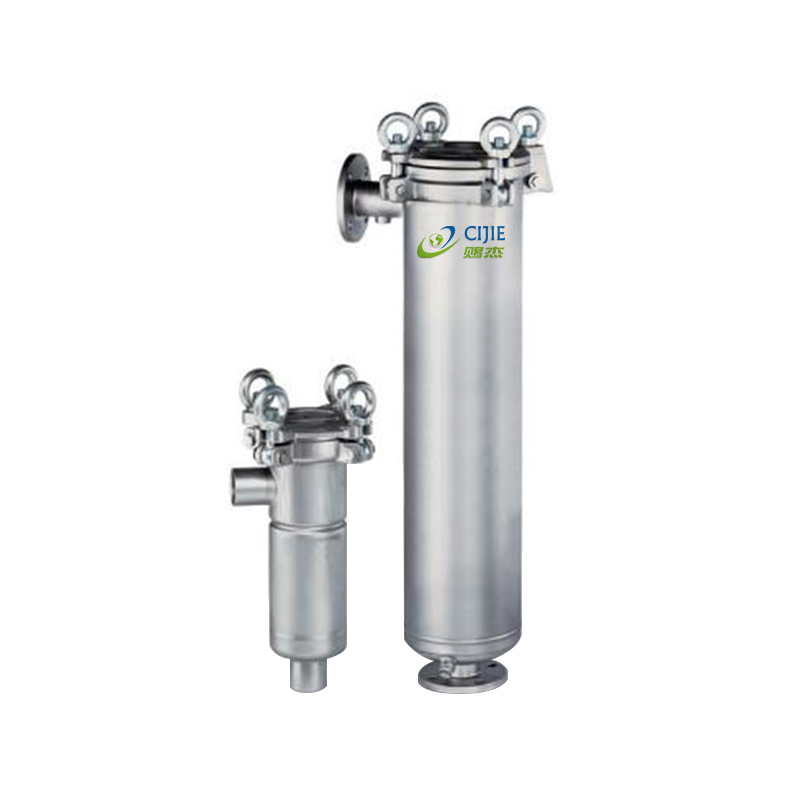
Bag filters are cylindrical or tubular filtration devices designed to remove particulate matter from gas or liquid streams in industrial processes. These filters consist of a fabric or felt bag material housed within a supporting structure, where contaminated fluids pass through the bag material, trapping particles while allowing clean fluid to exit. They're widely used across industries including pharmaceuticals, food processing, chemical manufacturing, and power generation due to their high efficiency, cost-effectiveness, and ability to handle large volumes.
The fundamental principle behind bag filters is surface filtration and depth filtration combined. As fluid flows through the bag material, larger particles are captured on the surface while smaller particles penetrate into the filter media's depth, creating a filtration cake that actually enhances filtering efficiency over time.
How Bag Filters Function
Bag filters operate through a straightforward mechanical process. Contaminated fluid enters the filter housing and flows into the bag filter from either the inside or outside, depending on the design. As the fluid passes through the porous bag material, solid particles are retained while the filtered fluid exits through the outlet.
The Filtration Process
The filtration mechanism involves multiple stages:
- Initial capture: Large particles are immediately trapped on the filter surface through mechanical sieving
- Depth filtration: Smaller particles migrate into the filter media's fiber matrix where they're captured through interception and diffusion
- Cake formation: Accumulated particles form a secondary filtration layer that improves efficiency, typically achieving 99.9% particle removal for particles above 1 micron
- Pressure differential: As the cake builds, pressure drop increases, indicating when bag replacement is needed
Most industrial bag filter systems operate at flow rates ranging from 50 to 1,200 gallons per minute (GPM), with pressure drops typically between 5 to 15 PSI when clean, increasing to 25-30 PSI at replacement time.
Types of Bag Filters
Bag filters are categorized based on their application, material construction, and filtration method. Understanding these distinctions helps select the appropriate filter for specific industrial needs.
Liquid Bag Filters
Designed for liquid filtration applications, these filters remove suspended solids from water, chemicals, oils, and other fluids. They're commonly manufactured from materials like polypropylene, polyester, nylon, or PTFE, with micron ratings ranging from 0.5 to 200 microns. Industries such as food and beverage processing rely heavily on these filters, with the global liquid filtration market projected to reach $8.2 billion by 2027.
Dust Collector Bag Filters
These air filtration bags capture particulate matter from industrial exhaust gases and air streams. Common in cement plants, steel mills, and woodworking facilities, they handle temperatures from ambient to 550°F (288°C) depending on material construction. A typical baghouse installation might contain hundreds of individual filter bags, each measuring 4-8 inches in diameter and 8-30 feet in length.
Specialty Filter Bags
Engineered for specific challenging applications:
- High-temperature bags using materials like P84, aramid, or fiberglass for applications exceeding 400°F
- Chemical-resistant bags constructed from PTFE or polyphenylene sulfide for corrosive environments
- Food-grade bags meeting FDA regulations for pharmaceutical and food processing
- Oil and water repellent bags with specialized coatings for moisture-laden gas streams
Common Applications Across Industries
Bag filters serve critical filtration roles across diverse industrial sectors, each with unique requirements and performance standards.
| Industry | Application | Typical Micron Rating | Key Benefit |
|---|---|---|---|
| Pharmaceutical | API purification, water treatment | 0.5-10 microns | Sterile filtration compliance |
| Food & Beverage | Wine, beer, juice clarification | 1-25 microns | Product clarity, shelf life |
| Chemical Processing | Polymer filtration, catalyst recovery | 5-100 microns | Process efficiency, product quality |
| Power Generation | Flue gas cleaning, ash collection | Air: sub-micron particles | Emission compliance |
| Metalworking | Coolant filtration, oil purification | 10-50 microns | Tool life extension |
In the cement industry alone, a single production line may utilize over 3,000 bag filters in its dust collection system, processing approximately 1 million cubic feet of air per minute while maintaining emission levels below 10 mg/m³ to meet environmental regulations.
Key Advantages of Bag Filtration Systems
Bag filters offer multiple operational and economic benefits that make them preferred filtration solutions in many industrial settings.
Cost Efficiency
Bag filters reduce operating costs by 30-50% compared to cartridge filters in high-volume applications. A single bag filter can replace multiple cartridge filters, reducing both initial investment and maintenance expenses. For example, one 7-inch diameter bag filter provides equivalent filtration area to approximately 5-7 standard 10-inch cartridge filters, while costing 40-60% less.
High Dirt-Holding Capacity
The large surface area and depth of bag filters enable them to capture substantial quantities of contaminants before requiring replacement. Industrial bag filters typically hold 5-15 pounds of solids depending on size and application, extending service intervals from weeks to months in many processes. This capacity translates to fewer change-outs, reduced downtime, and lower labor costs.
Versatility and Scalability
Bag filter systems adapt easily to changing process conditions. Operators can modify filtration efficiency simply by changing bag micron ratings without altering housing or piping. Multi-bag housing configurations allow parallel operation, where individual bags can be serviced while maintaining continuous filtration, achieving 99.5% uptime in critical applications.
Environmental Compliance
Modern baghouse systems achieve particulate emission rates as low as 0.01 grains per dry standard cubic foot, far exceeding EPA requirements. This performance helps facilities avoid penalties and maintain operating permits, with some installations documenting emission reductions of 95-99% compared to uncontrolled sources.
Selection Criteria and Considerations
Choosing the appropriate bag filter requires careful evaluation of process parameters and performance objectives.
Material Compatibility
Filter bag material must be chemically compatible with the process fluid and resistant to operating temperatures. Common materials include:
- Polypropylene: Cost-effective for water and mild chemicals, suitable up to 200°F
- Polyester: Excellent for general industrial use, handles temperatures to 275°F with good chemical resistance
- Nylon: Superior abrasion resistance for slurries and mechanical stress applications
- PTFE: Premium option for aggressive chemicals and high temperatures up to 400°F
Filtration Rating
The micron rating determines particle removal efficiency. Absolute-rated bags guarantee removal of all particles at the specified size, while nominal-rated bags capture 85-95% of particles at the stated micron level. Applications requiring sterile filtration demand absolute ratings, while pre-filtration and polishing operations often utilize nominal ratings cost-effectively.
Flow Rate and Sizing
Proper sizing ensures optimal performance and filter life. Undersized filters experience excessive pressure drop and premature failure, while oversized systems waste capital and space. Engineers typically design liquid bag filter systems for flow velocities of 10-15 feet per minute through the filter media, balancing efficiency with dirt-holding capacity.
Housing Configuration
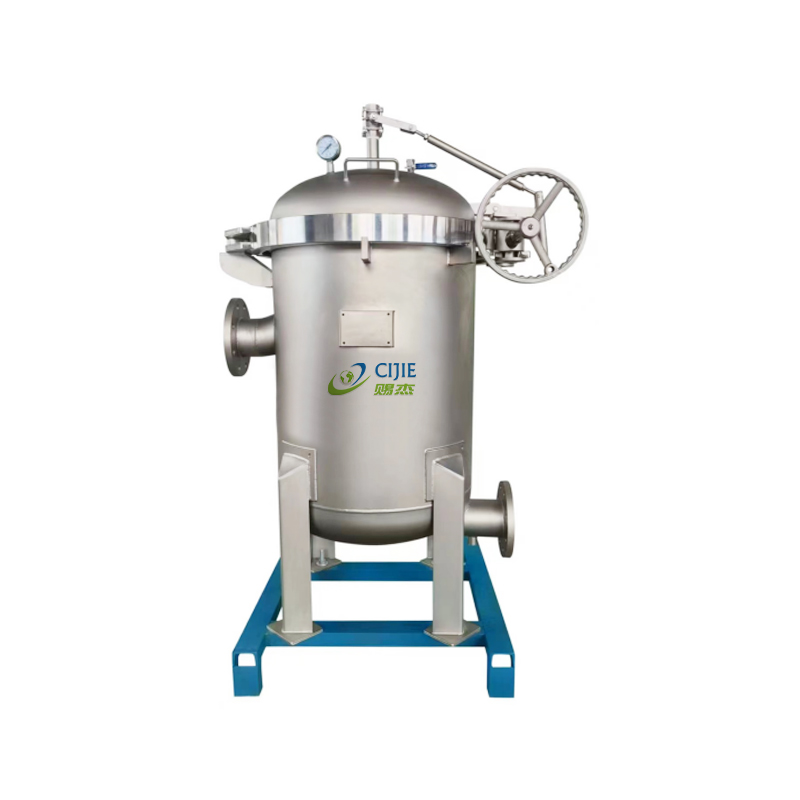
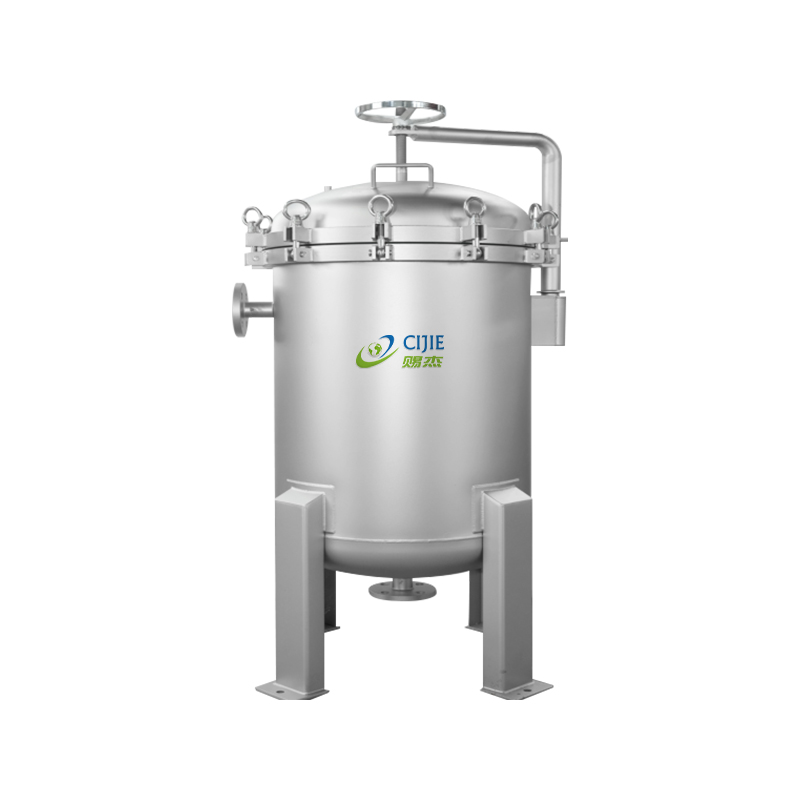
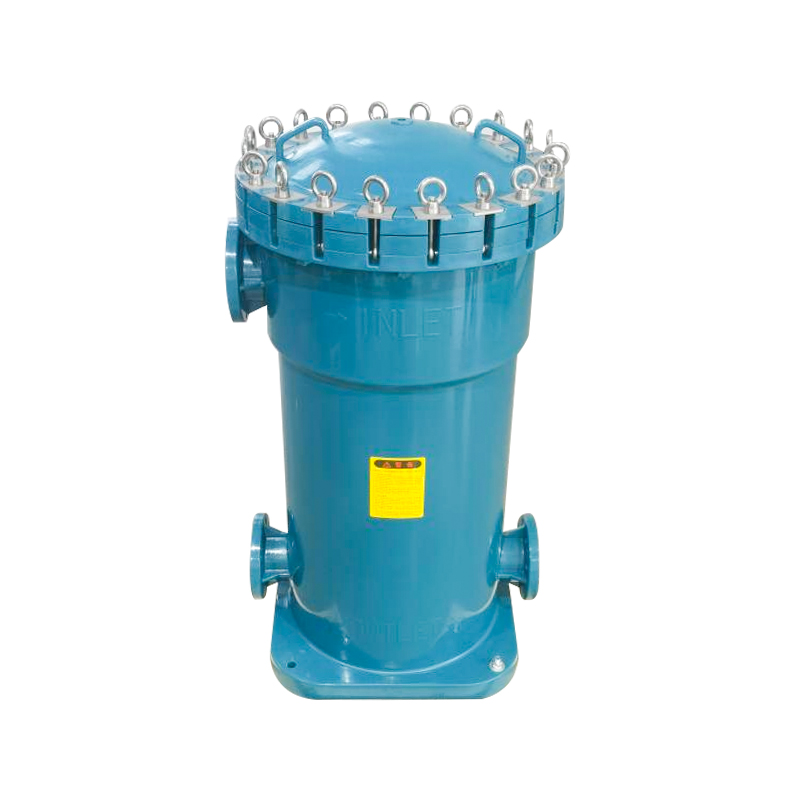
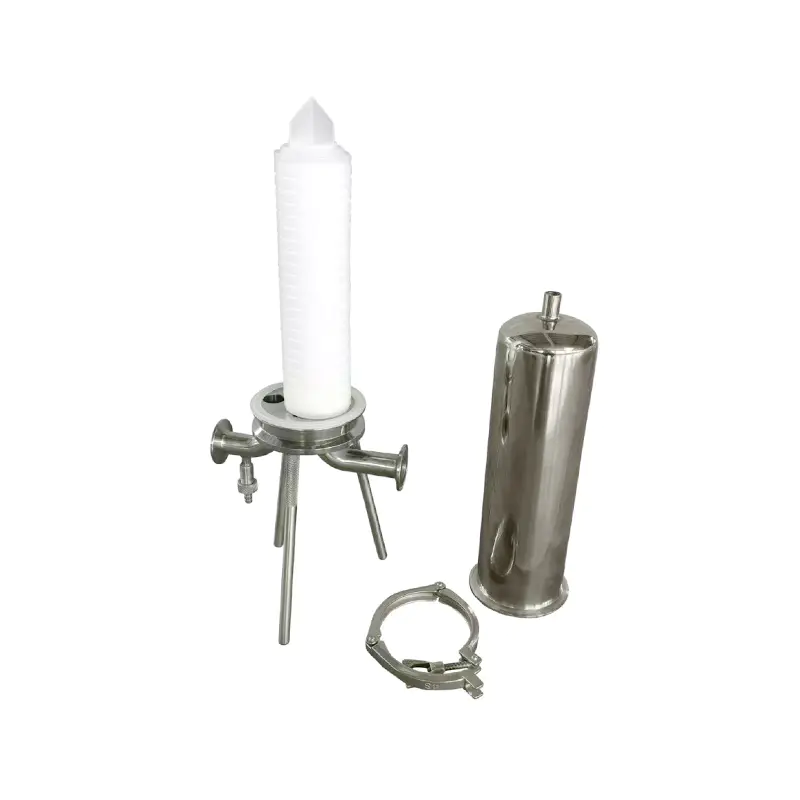
Single-bag housings suit batch processes and lower flow rates (up to 300 GPM), while multi-bag configurations handle continuous high-volume applications. Stainless steel housings provide durability and sanitary construction for food and pharmaceutical use, whereas carbon steel or polypropylene housings offer economical solutions for less demanding applications.
Maintenance and Operational Best Practices
Proper maintenance maximizes bag filter performance, extends service life, and ensures consistent product quality.
Monitoring and Replacement
Regular pressure differential monitoring indicates filter condition. When differential pressure reaches 2-3 times the clean filter value, bag replacement is typically required. Premature replacement wastes filter capacity, while delayed replacement risks bag failure and downstream contamination. Installing differential pressure gauges or transmitters enables proactive maintenance scheduling.
Proper Installation Techniques
Correct bag installation prevents bypass and ensures effective filtration:
- Inspect the bag for damage before installation, checking seams and material integrity
- Ensure the bag collar or ring seats properly in the housing basket to prevent unfiltered fluid bypass
- Verify the support basket is undamaged and correctly positioned to support the bag structure
- Close and secure housing covers with proper torque to maintain seal integrity and prevent leaks
Cleaning and Regeneration
While most liquid bag filters are disposable, some applications utilize cleanable bags that are washed and reused 5-10 times before disposal. Pulse-jet baghouse systems use compressed air bursts to dislodge dust cakes, extending bag life to 2-5 years in properly maintained installations. Regular cleaning cycles maintain low pressure drop and prevent excessive dust accumulation that can damage filter media.
Documentation and Record-Keeping
Maintaining service records helps optimize filter selection and predict maintenance needs. Key metrics include installation date, pressure differential trends, flow rates, and reasons for replacement. This data enables cost analysis and may reveal opportunities for process improvements or alternative filter grades that reduce operating expenses.
Future Trends in Bag Filtration Technology
Advancing materials science and manufacturing techniques continue to enhance bag filter performance and expand application possibilities.
Nanofiber technology represents a significant innovation, with nanofiber-coated bags achieving sub-micron filtration efficiency while maintaining lower pressure drop than traditional media. These advanced filters capture particles as small as 0.1 microns with 99.99% efficiency, opening applications in semiconductor manufacturing and pharmaceutical clean rooms previously requiring HEPA filtration.
Smart filtration systems incorporating IoT sensors and predictive analytics are becoming increasingly common. Real-time monitoring of pressure drop, temperature, and flow enables predictive maintenance algorithms that forecast filter replacement timing with 95% accuracy, minimizing unexpected failures and optimizing inventory management. Some systems automatically adjust cleaning cycles based on actual dust loading rather than fixed time intervals, extending filter life by 20-30%.
Sustainability initiatives drive development of biodegradable and recyclable filter media. Bio-based polymers and natural fibers are emerging as alternatives to synthetic materials, with some manufacturers achieving comparable performance while reducing environmental impact. Industrial ecology approaches now recover valuable materials from spent filter cakes, transforming waste disposal costs into revenue streams in applications like catalyst recovery and precious metal reclamation.

 Phone: +86 182 1733 6020
 Add: No.7 Industrial Park, Xiayuan Town, Rugao City, Jiangsu Province