


 English
 русский
 Français
 Español
 Deutsch
 Tiếng Việt
What Is a Liquid Multi-Core Filter
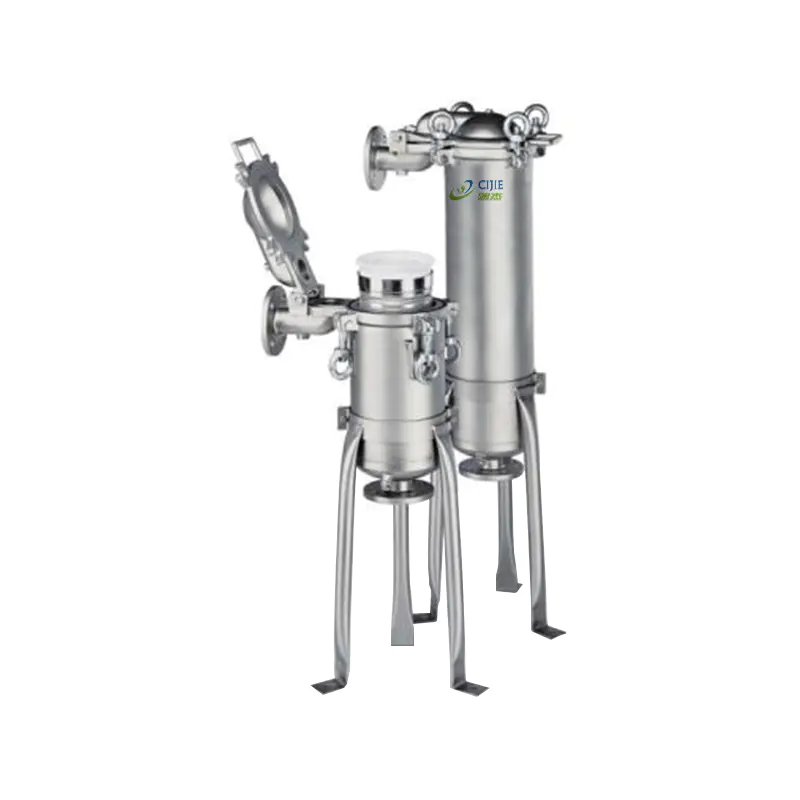
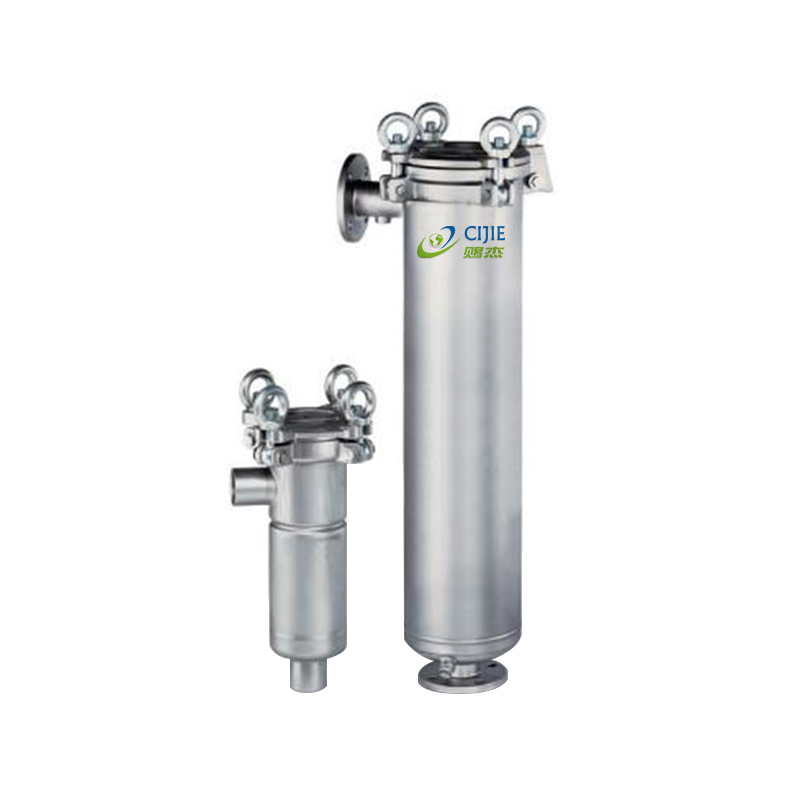
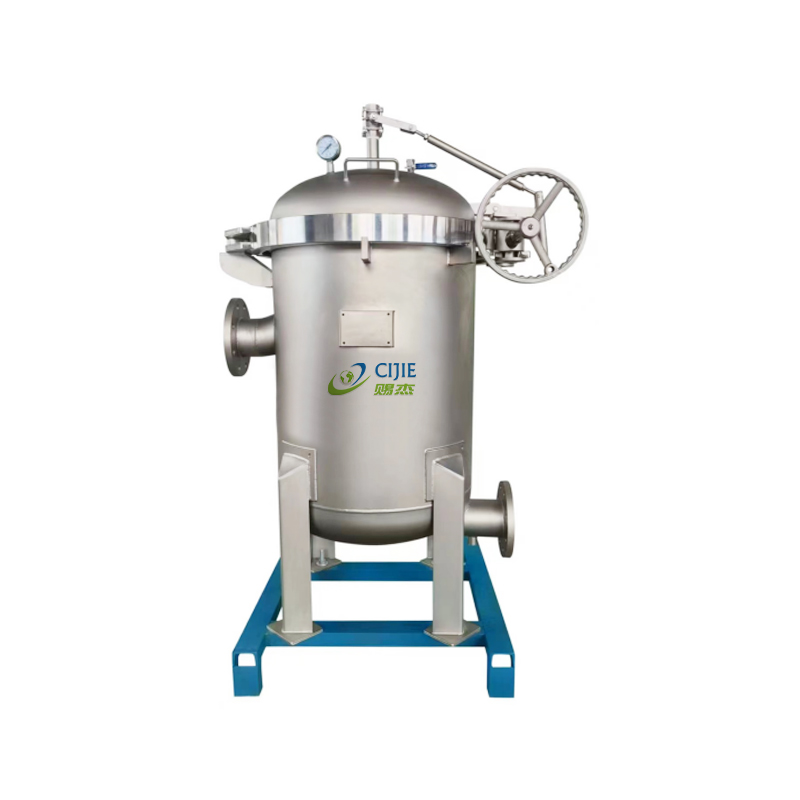
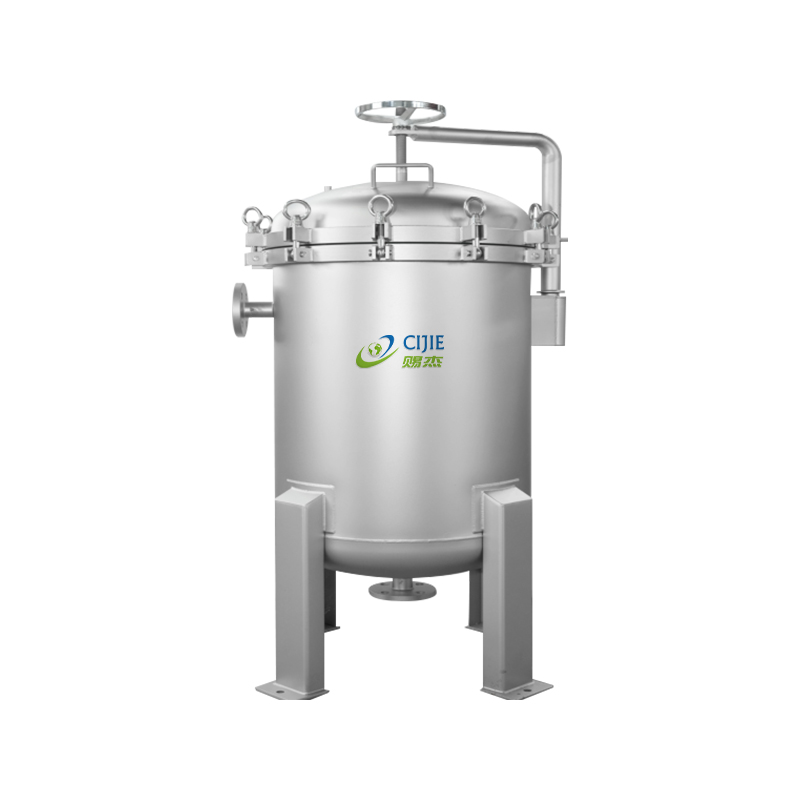
A liquid multi-core filter is a filtration system that employs multiple filter elements or cores operating in parallel within a single housing to achieve high-capacity liquid purification. Unlike single-core designs, these systems distribute flow across several filter cartridges simultaneously, enabling processing of 100 to 10,000+ liters per minute depending on configuration. The multi-core architecture provides redundancy, extended service life, and superior contaminant removal across industries from pharmaceuticals to petrochemicals.
Each core functions as an independent filtration channel while sharing common inlet and outlet manifolds. This design allows for pressure drops as low as 0.2-0.5 bar at rated flow, significantly reducing energy consumption compared to sequential filtration stages. The technology supports micron ratings from 0.2 to 200 microns, with absolute or nominal retention efficiencies based on application requirements.
Core Design Principles and Filtration Mechanics
Parallel Flow Distribution
The fundamental advantage lies in parallel hydraulic routing. When liquid enters the housing, it divides equally among all installed cores through precision-engineered manifolds. A typical 6-core system processing 600 L/min delivers 100 L/min per element, maintaining velocities that optimize dirt-holding capacity without premature blinding. This contrasts with single large elements that experience uneven flow patterns and localized fouling.
Filter Media Construction
Multi-core systems utilize various media types depending on separation objectives:
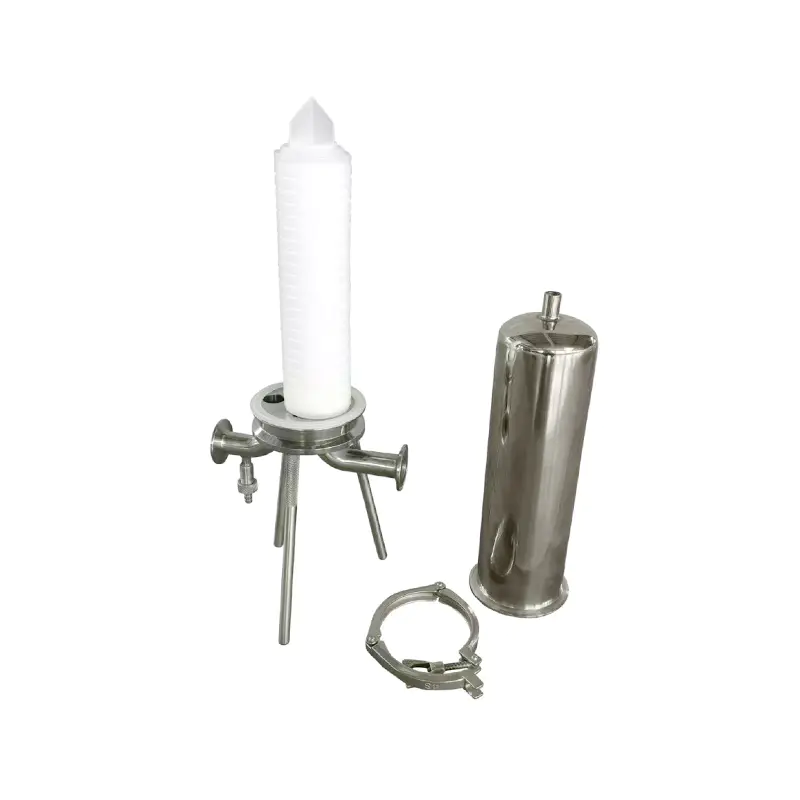
- Pleated membrane cartridges for absolute retention (pharmaceutical water, sterile filtration)
- Depth filter cores with graded density for high dirt loads (coolant filtration, pre-filtration)
- Activated carbon blocks for chemical adsorption (taste/odor removal, chlorine reduction)
- Stainless steel mesh elements for reusable applications (high-temperature processes)
A pleated polypropylene membrane with 2.5 m² effective area per 10-inch cartridge provides substantially greater surface than conventional wound designs, translating to longer intervals between changes.
Performance Characteristics and Efficiency Metrics
Quantifying multi-core filter performance requires evaluating several interdependent parameters that determine both separation quality and operational economics.
| Performance Parameter | Typical Range | Impact Factor |
|---|---|---|
| Beta Ratio (β) | 75-5,000 | Particle retention efficiency |
| Dirt Holding Capacity | 150-800 g per element | Service life duration |
| Initial Pressure Drop | 0.2-0.7 bar | Energy consumption |
| Filtration Efficiency | 85-99.99% | Contaminant removal rate |
| Operating Temperature | -10°C to 150°C | Material compatibility limits |
The beta ratio quantifies separation efficiency: β₅ = 1,000 indicates 99.9% removal of particles ≥5 microns. Multi-core configurations maintain stable beta values throughout service life due to distributed loading, whereas single elements may show degradation as differential pressure increases.
Industrial Applications and Use Cases
Pharmaceutical and Biotechnology
Multi-core filters meet stringent regulatory requirements for sterile processing. In parenteral solution manufacturing, 0.2-micron rated polyethersulfone membranes achieve sterile filtration of up to 5,000 liters per batch. The parallel design enables validation studies demonstrating bacterial retention >10⁷ CFU/cm² as mandated by FDA guidelines. Redundant cores provide security against single-point failures during critical production runs.
Chemical Processing and Petrochemicals
Catalyst recovery systems employ multi-core housings with 10-micron stainless steel elements to reclaim precious metal catalysts from reaction streams. A polymerization plant processing 800 L/min of styrene monomer recovered 98.3% of titanium catalyst particles valued at $45,000 annually through 12-core filtration before recycle loops. High-temperature compatibility to 200°C enables integration directly into reactor discharge lines.
Food and Beverage Production
Beverage clarification benefits from depth filter cores that remove yeast, proteins, and haze-forming compounds. A brewery utilizing 18-core housings with 5-micron cellulose pads processes 1,200 hectoliters daily, achieving turbidity reduction from 120 NTU to <0.5 NTU. The multi-core design allows sequential staging with coarse (25μm) pre-filters followed by polishing elements, extending final filter life by 340% compared to single-stage systems.
Water Treatment and Purification
Municipal water plants deploy multi-core arrays for turbidity polishing and pathogen reduction. A 50 MGD facility installed 24-core manifolds with 1-micron absolute-rated cartridges, reducing Cryptosporidium and Giardia below detection limits (<0.01 oocysts/100L) while maintaining backwash cycles every 72 hours. Operating costs decreased by $18,000 monthly versus sand filtration through reduced chemical consumption and waste generation.
System Configuration and Sizing Considerations
Determining Core Quantity
Proper sizing balances flow requirements against pressure drop limitations. The calculation begins with maximum design flow rate and individual cartridge capacity:
Number of Cores = Total Flow Rate (L/min) ÷ Cartridge Rating (L/min)
A 10-inch cartridge typically handles 40-60 L/min at acceptable pressure drop. For 480 L/min throughput, minimum 8 cores provides 60 L/min per element. Design practice adds 20-30% capacity margin, resulting in 10-12 core specification to accommodate viscosity variations and fouling progression.
Housing Material Selection
Material compatibility with process fluids determines housing construction:
- 316L stainless steel: Corrosive chemicals, sanitary applications, temperatures to 150°C
- Carbon steel with epoxy coating: Non-corrosive liquids, cost-sensitive installations
- Duplex stainless (2205): High-chloride environments, seawater applications
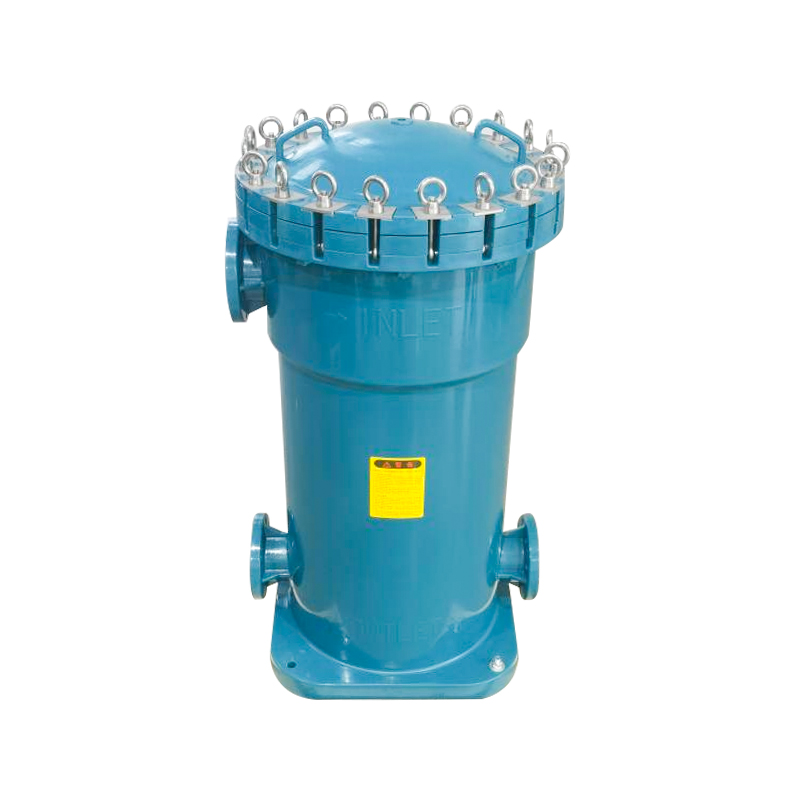
- PVDF or polypropylene: Ultra-pure water, aggressive acids at moderate temperatures
Pressure ratings range from 10 bar for polymer housings to 40 bar for forged steel vessels, with ASME Section VIII certification available for critical services.
Operational Advantages Over Alternative Technologies
Maintenance Accessibility and Downtime Reduction
Quick-opening closures on multi-core housings enable element replacement in 15-20 minutes versus 45+ minutes for comparable bag filter arrays. Swing-bolt or clamp designs eliminate threaded covers that seize in dirty service. During changeovers, operators replace only fouled cartridges while leaving clean cores in service, reducing consumable costs by 25-40% in variable contamination applications.
Scalability and Modular Expansion
Process capacity increases simply by adding cores to existing manifolds or installing parallel housings. A coating plant initially operating 6-core filtration at 360 L/min expanded to 18 cores across three housings when production doubled, reusing inlet/outlet piping and control systems. This modularity contrasts with crossflow membrane systems requiring complete skid replacement for capacity upgrades.
Energy Efficiency Compared to Alternatives
Low differential pressure translates directly to reduced pumping power. Comparative analysis of 500 L/min paint filtration showed:
| Technology | Pressure Drop (bar) | Annual Energy (kWh) | Operating Cost |
|---|---|---|---|
| Multi-Core (12 elements) | 0.4 | 3,360 | $470 |
| Bag Filter Array | 0.9 | 7,560 | $1,060 |
| Automatic Backwash | 1.2 | 10,080 | $1,410 |
The multi-core system delivered $590 annual savings versus bag filtration while providing superior particle removal consistency.
Selection Criteria and Specification Guidelines
Matching Filtration Requirements to Core Type
Application characteristics dictate optimal element selection. Absolute-rated membranes suit applications requiring validated particle retention (pharmaceutical, semiconductor), while nominal depth filters excel in high-contamination pre-filtration where dirt capacity outweighs precise cut-off.
For viscous fluids (>50 cP), larger micron ratings or graded-density cores prevent premature surface blinding. A lubricant blending operation switched from 5-micron surface filters to 10-micron depth cartridges, increasing element life from 3 weeks to 11 weeks while maintaining ISO 16/14/11 cleanliness.
Total Cost of Ownership Analysis
Beyond capital investment, operational expenses dominate lifecycle costs:
- Replacement cartridges: $15-$200 per element depending on media type and micron rating
- Labor for changeovers: 0.25-0.5 hours per housing at $50-$75 per hour
- Disposal costs: $0.05-$2.50 per cartridge for non-hazardous waste
- Energy consumption: $300-$1,500 annually for pumping (varies by flow and ΔP)
- Process downtime: $500-$5,000 per hour depending on production value
A chemical manufacturer calculated 3.2-year payback on premium long-life cartridges ($85 vs. $35 standard) due to reduced changeout frequency from monthly to quarterly intervals.
Monitoring and Predictive Maintenance Strategies
Differential pressure monitoring provides real-time indication of filter loading. Most installations establish replacement thresholds at 1.5-2.0 bar ΔP to prevent element collapse or bypass. Advanced systems incorporate:
- Automated pressure transmitters with alarm outputs triggering at 80% of maximum rated ΔP
- Totalizing flow meters tracking cumulative throughput to predict changeout based on historical data
- Particle counters on outlet streams verifying separation efficiency remains within specification
- Temperature sensors detecting viscosity changes that affect filter performance
Predictive analytics using machine learning algorithms now forecast element exhaustion 48-72 hours in advance based on pressure rise rates and flow patterns, enabling just-in-time cartridge staging and elimination of emergency shutdowns.
Future Developments and Emerging Technologies
Innovation in multi-core filtration focuses on sustainability and intelligent operation. Regenerable ceramic membrane cores now achieve 5+ year service life through periodic chemical cleaning, eliminating disposable cartridge waste in caustic/solvent applications. Initial costs of $400-$600 per element amortize over extended lifespans, with one pharmaceutical facility reporting $23,000 annual savings versus disposable cartridges.
Electrostatically-enhanced media incorporating charged nanofibers captures submicron particles through electrostatic attraction in addition to mechanical sieving. Testing demonstrated 99.97% removal of 0.3-micron particles at 30% lower pressure drop than conventional membranes, potentially reducing multi-core system footprints by 25-35%.
IoT-enabled housings with embedded sensors transmit real-time performance data to cloud platforms for fleet-wide optimization. Operators managing multiple facilities access centralized dashboards showing differential pressure trends, element remaining life predictions, and consumable inventory requirements across dozens of installations, enabling proactive maintenance scheduling and bulk purchasing strategies that reduce consumable costs by 12-18%.

 Phone: +86 182 1733 6020
 Add: No.7 Industrial Park, Xiayuan Town, Rugao City, Jiangsu Province