


 English
 русский
 Français
 Español
 Deutsch
 Tiếng Việt
Understanding Automatic Candle Filters
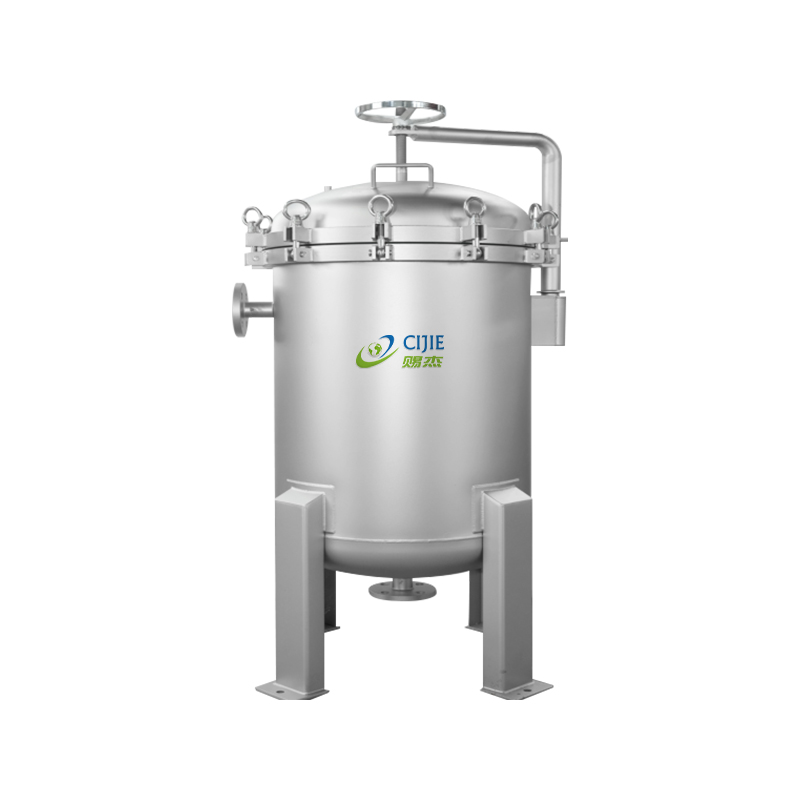
Automatic candle filter is specialized industrial filtration devices designed to remove suspended solids from liquids efficiently. Unlike traditional filters, these systems operate continuously and require minimal manual intervention. They are widely used in chemical, pharmaceutical, and food processing industries where high-purity liquids are essential.
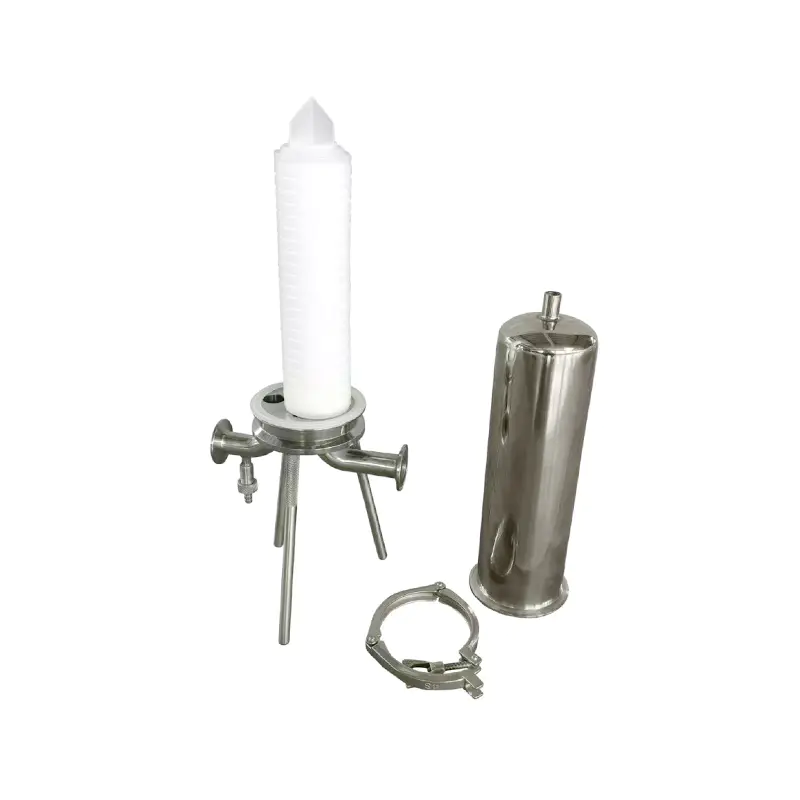
The core component of an automatic candle filter is the candle-shaped element, which serves as the filtering medium. These elements can be made from materials such as stainless steel, ceramic, or sintered metal, depending on the chemical and thermal properties of the processed fluid.
Principles of Operation
Automatic candle filters operate through a sequence of filtration, cleaning, and discharge cycles. The process begins with the liquid entering the filter housing and passing through the candle elements. Solid particles are trapped on the surface of the candles, while the clarified liquid exits the system.
Once the filter cakes accumulate to a certain level, the system automatically initiates a cleaning cycle. Common cleaning methods include:
- Reverse air or gas blowback to remove trapped solids.
- Mechanical shaking or vibration of the candles.
- Flushing with a small amount of clean liquid.
This automatic regeneration ensures consistent filtration performance without frequent manual intervention, making the system highly suitable for continuous operations.
Key Components and Their Functions
Candle Elements
These cylindrical elements provide the filtration surface. The choice of material and pore size is critical, as it determines the efficiency and type of solids captured. Stainless steel candles are preferred in high-temperature applications, while ceramic candles handle abrasive particles more effectively.
Filter Housing
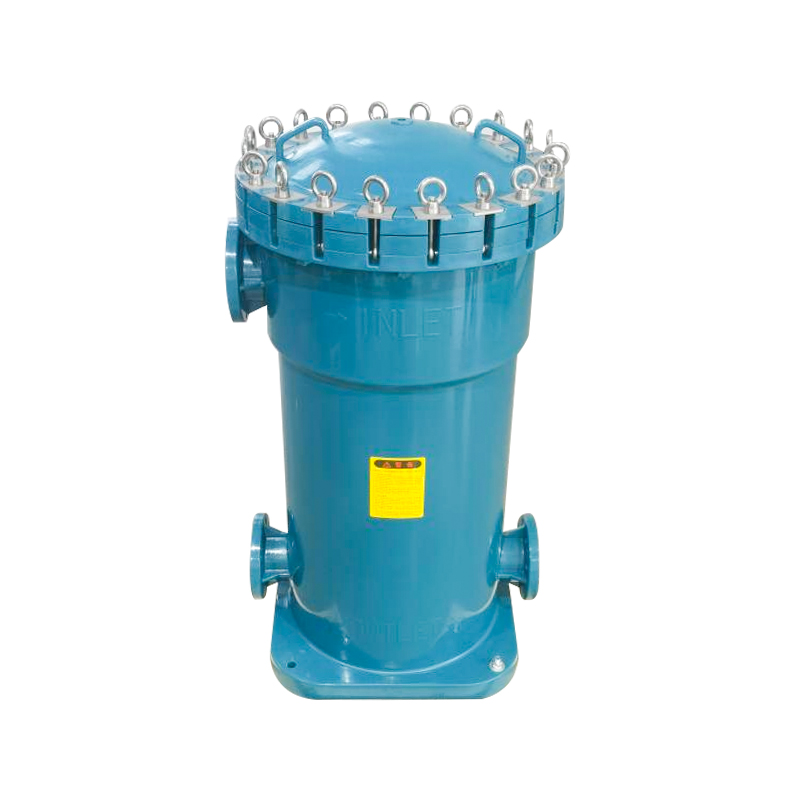
The housing encloses the candle elements and channels the liquid flow. It is typically constructed from corrosion-resistant metals and designed to withstand high pressures.
Automatic Cleaning System
The cleaning mechanism ensures minimal downtime. Systems may use compressed air, gas, or liquid pulses to dislodge the filter cake, which is then collected in a hopper for disposal or further processing.
Applications in Industry
Automatic candle filters are extensively used in industries that require high-efficiency solid-liquid separation. Typical applications include:
- Chemical production for clarifying solvents and acids.
- Pharmaceutical manufacturing for sterile filtration of active ingredients.
- Food and beverage processing to remove impurities from oils, syrups, and juices.
- Metal finishing and electroplating to recover metal particles from process water.
Maintenance Best Practices
To maximize the lifespan and performance of an automatic candle filter, routine maintenance is essential. Key practices include:
- Regular inspection of candle elements for cracks or wear.
- Monitoring differential pressure to detect clogging early.
- Cleaning the housing and discharge collection system to prevent buildup.
- Replacing seals and gaskets periodically to maintain leak-free operation.
Neglecting maintenance can result in reduced filtration efficiency, increased energy consumption, and potential damage to the system.
Comparison with Other Filtration Systems
Compared to other filtration methods such as bag filters or plate filters, automatic candle filters offer several advantages:
| Feature | Automatic Candle Filter | Traditional Bag/Plate Filter |
| Continuous Operation | Yes | No |
| Maintenance Frequency | Low | High |
| Filtration Efficiency | High | Medium |
| Operational Cost | Moderate | Variable |
Optimizing Performance
Maximizing the efficiency of an automatic candle filter involves several strategies:
- Regularly calibrate pressure sensors to ensure accurate monitoring.
- Match candle element pore size with particle size in the fluid.
- Maintain optimal flow rates to prevent premature clogging or erosion.
- Implement automated monitoring systems for real-time performance analysis.
Conclusion
Automatic candle filters are indispensable tools for industries requiring reliable and continuous filtration. By understanding their operation, performing regular maintenance, and optimizing system parameters, organizations can achieve high filtration efficiency, reduce downtime, and extend the lifespan of their equipment.

 Phone: +86 182 1733 6020
 Add: No.7 Industrial Park, Xiayuan Town, Rugao City, Jiangsu Province