


 English
 русский
 Français
 Español
 Deutsch
 Tiếng Việt
What Is an Automatic Candle Filter
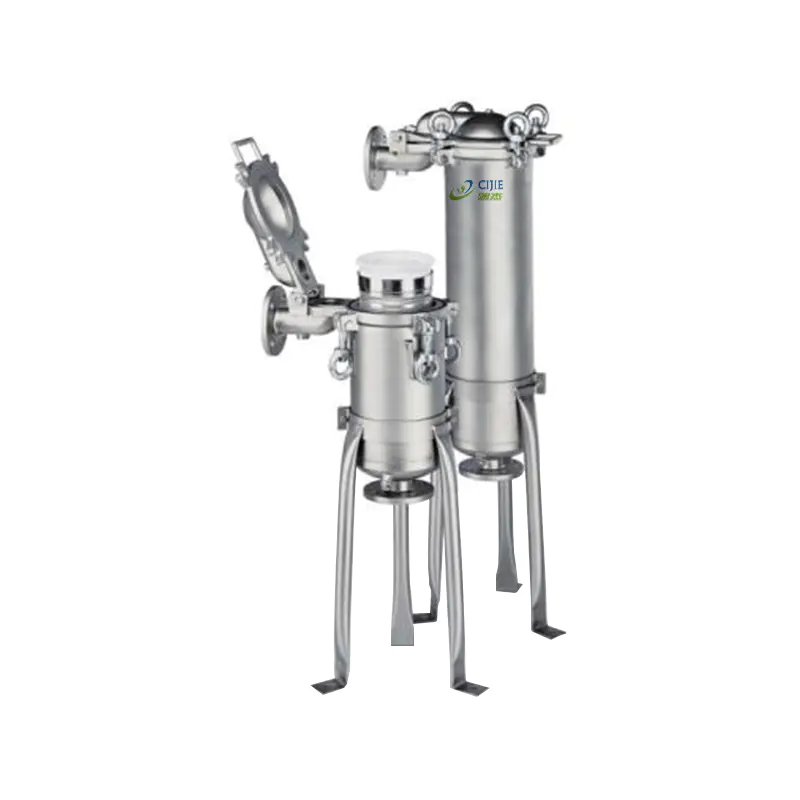
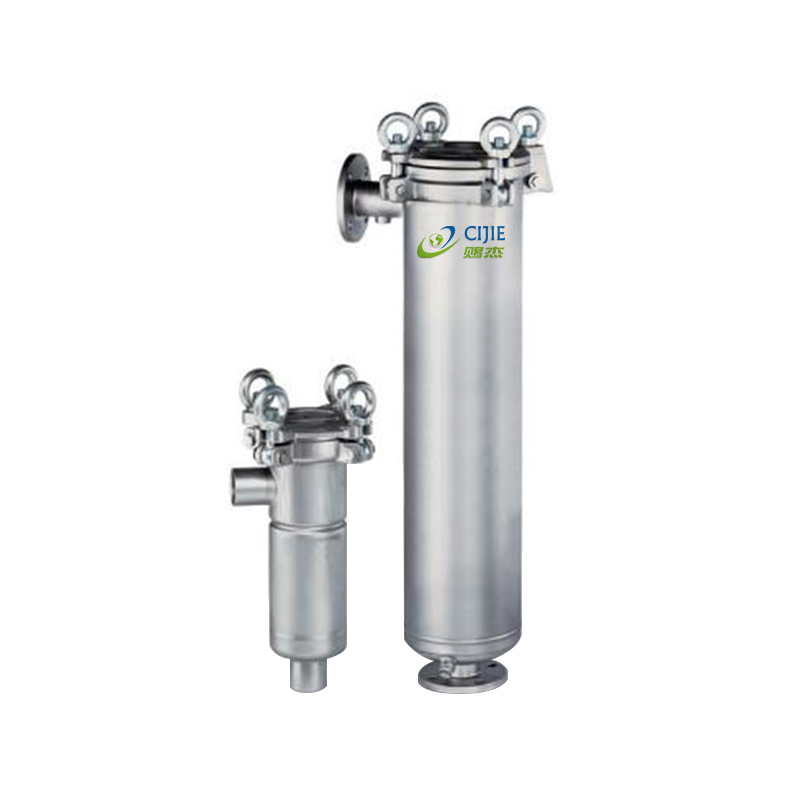
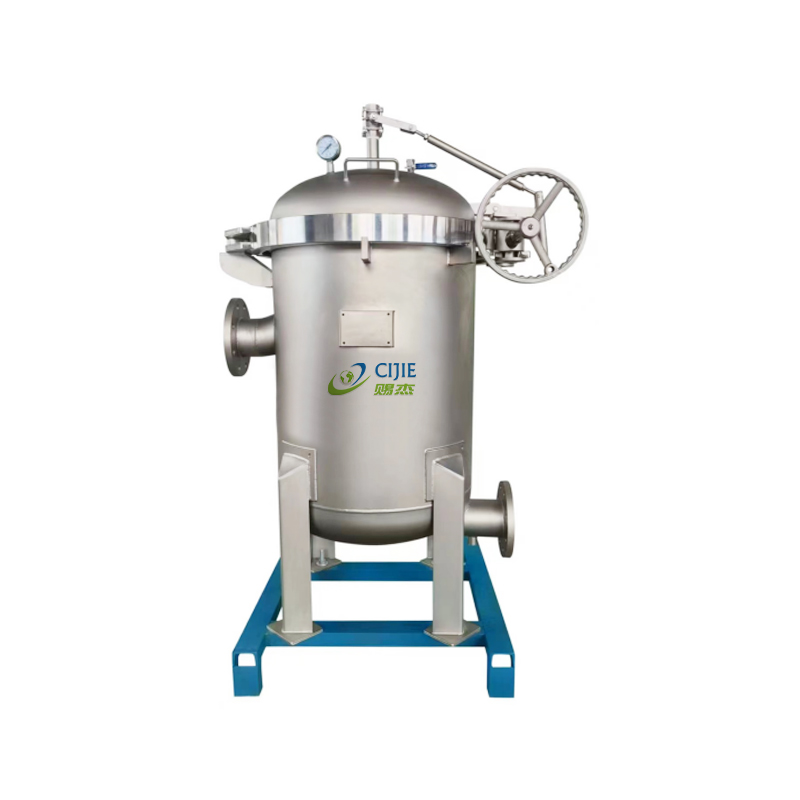
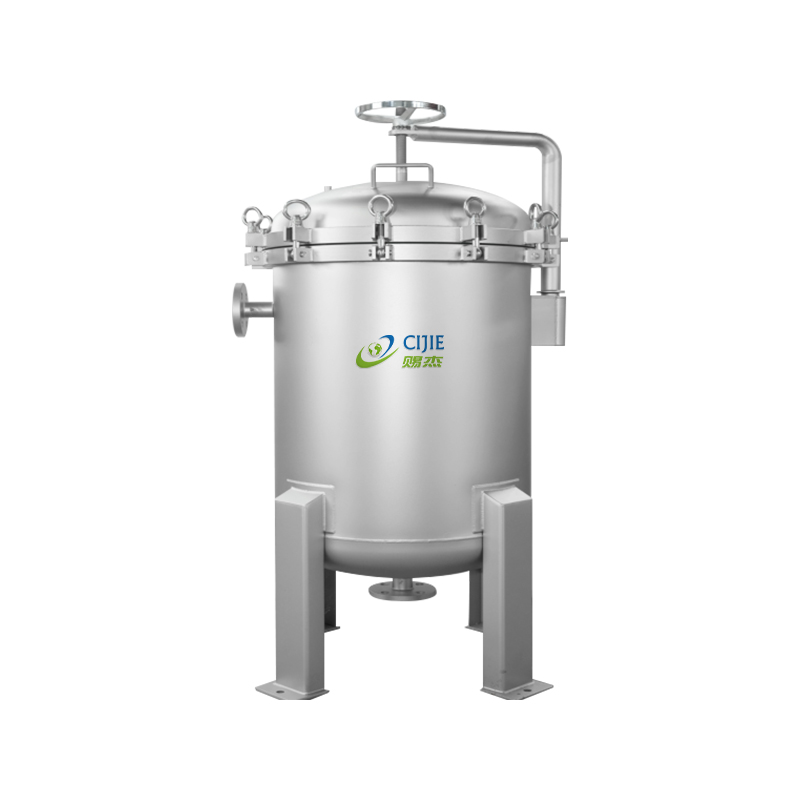
An automatic candle filter is a pressure-driven, self-cleaning filtration device used to remove solid impurities from liquids, waxes, oils, and other viscous materials without requiring manual disassembly or human intervention during the cleaning cycle. In candle manufacturing specifically, it ensures that molten wax is free of particulate matter before being poured into molds, resulting in a cleaner, more consistent final product.
The core advantage is automation: unlike conventional bag or cartridge filters that must be shut down and manually cleaned, automatic candle filters use built-in backwash or scraper mechanisms to discharge accumulated solids continuously or at set intervals, reducing downtime by up to 90% compared to manual systems.
How Automatic Candle Filters Work
The operating principle follows a straightforward pressure filtration cycle. Unfiltered liquid enters the filter housing under pressure and passes through cylindrical filter elements, known as candles, which trap solids on their outer surfaces. Clarified liquid exits through the interior of the candles and is discharged downstream.
The Automatic Cleaning Cycle
When the differential pressure across the filter elements reaches a set threshold, typically between 0.5 and 1.5 bar, the control system triggers a cleaning sequence. Depending on design, this involves one or more of the following steps:
- Backwash: filtered liquid is briefly reversed through the candles to dislodge the cake of accumulated solids
- Gas pulse: a short burst of compressed gas, usually nitrogen or air, shatters the filter cake
- Mechanical scraper: a rotating or translating blade physically removes the cake layer from the candle surface
- Sludge discharge: dislodged solids fall into a collection chamber and exit via an automatic drain valve
The entire cleaning cycle typically lasts 15 to 60 seconds, and in many designs, filtration continues uninterrupted in adjacent chambers during this time.
Key Components of an Automatic Candle Filter
Understanding the components helps when evaluating performance or maintenance needs.
| Component | Material Options | Function |
|---|---|---|
| Filter candles (elements) | Sintered metal, ceramic, wedge wire | Trap solid particles while allowing liquid passage |
| Pressure housing | Stainless steel, carbon steel | Contains pressurized liquid and supports filter elements |
| Differential pressure sensor | Electronic or mechanical | Triggers automatic cleaning when pressure drop exceeds set point |
| Control unit (PLC) | Programmable logic controller | Automates cleaning cycles, alarms, and valve sequencing |
| Sludge discharge valve | Pneumatic or electric actuator | Automatically expels collected solids from the housing |
Types of Automatic Candle Filters
Not all automatic candle filters use the same cleaning mechanism. Choosing the right type depends on the nature of the solids, liquid viscosity, and required throughput.
Backwash Candle Filters
These are the most common type for low-viscosity applications. Filtered liquid is periodically reversed at high velocity to flush solids off the candle surface. They work best when solids are loosely adherent and below 5% by weight of the incoming feed.
Gas Pulse (Blowback) Candle Filters
A short burst of compressed gas is used instead of liquid backwash. This approach suits applications where liquid loss during backwash is unacceptable, or where the filtered product is expensive. Pulse duration is usually 50 to 200 milliseconds, making it one of the fastest cleaning methods available.
Scraper-Type Candle Filters
Mechanical scrapers translate along the candle length to physically remove compacted or sticky filter cake. This design excels with viscous materials such as wax, polymer melts, or food-grade fats, where gas or liquid backwash alone cannot fully dislodge the cake.
Precoat Candle Filters
A layer of filter aid material, such as diatomaceous earth or perlite, is first deposited on the candle surface to form a permeable precoat. This technique achieves filtration ratings as fine as 0.5 microns and is used when the solid particles would otherwise blind the candle pores directly.
Filtration Ratings and What They Mean
Filter candles are rated by their absolute or nominal micron rating, which describes the smallest particle size reliably retained.
- Nominal rating: Retains approximately 90 to 95% of particles at the stated size; suitable for general wax clarification
- Absolute rating: Retains 99.9% or more of particles at the stated size; required for pharmaceutical or food applications
- Common ratings in candle wax filtration: 10 to 50 microns for general production; 1 to 5 microns for premium or cosmetic-grade products
Selecting too fine a rating without matching it to the correct cleaning mechanism will lead to rapid blinding and excessive cleaning cycles, reducing overall system efficiency.
Benefits of Using an Automatic Candle Filter in Wax Processing
The practical advantages over manual alternatives are significant and measurable.
- Continuous operation: Production lines do not need to stop for filter changes, supporting output rates from 500 liters per hour up to tens of thousands of liters per hour in industrial systems
- Reduced labor costs: One operator can monitor multiple automatic filter units simultaneously, versus manual filters that require dedicated personnel for each cleaning cycle
- Consistent product quality: Automated pressure-based triggering ensures cleaning occurs at the optimal moment, preventing bypass of unfiltered material
- Lower consumable costs: Metal or ceramic candles last 5 to 10 years with proper maintenance, compared to disposable filter bags or cartridges that may need replacement every few hours in high-solids applications
- Reduced waste: Solids are discharged in a concentrated form rather than mixed with large volumes of liquid, simplifying waste handling
How to Choose the Right Automatic Candle Filter
Selecting an automatic candle filter requires matching the equipment to the specific process conditions. The following parameters are essential to evaluate before specifying a unit.
Flow Rate and Solid Loading
Higher solid concentrations demand more frequent cleaning cycles. Systems handling feeds with more than 2% solids by volume typically benefit from a scraper or gas pulse design rather than a simple backwash system, as the latter may not fully recover filter capacity between cycles.
Operating Temperature and Viscosity
Molten wax is typically processed at 65 to 90 degrees Celsius, which affects both filter element material selection and seal compatibility. High-viscosity fluids require lower face velocities across the candle surface to avoid premature blinding, which may necessitate a larger filter housing or more candles.
Required Filtration Fineness
Match the micron rating to the final product specification, not to the largest particle in the feed. Filtering at an unnecessarily fine level increases pressure drop and cleaning frequency without a corresponding quality benefit.
Hygienic and Regulatory Requirements
For cosmetic or food-grade wax applications, the filter housing interior must meet surface finish standards such as Ra 0.8 micrometers or better to prevent microbial harboring. Certification to standards such as 3-A Sanitary Standards or EHEDG may be required depending on the end market.
Common Issues and How to Prevent Them
Even well-designed automatic candle filters can underperform if key operational factors are neglected.
- Candle blinding: Occurs when solids penetrate into the pore structure rather than forming a surface cake. Prevention involves correct micron selection and, in some cases, a precoat layer.
- Incomplete cake discharge: Sticky or waxy solids can adhere to the housing walls after a cleaning cycle. Using a heated housing jacket to keep wax molten during discharge prevents this problem.
- Seal degradation: O-ring or gasket failure at elevated temperatures leads to bypass of unfiltered material. Replacing standard elastomer seals with fluoropolymer grades rated above 150 degrees Celsius extends seal life significantly.
- Excessive cleaning frequency: If cleaning cycles trigger more often than every 10 to 15 minutes, the feed solid loading may exceed the filter design capacity, or the micron rating may be too fine. Adjusting these parameters restores efficiency.
- Control system faults: PLC programs should include differential pressure alarms, cycle count logging, and remote monitoring capability to catch issues before they cause production stops.
Maintenance Schedule for Long-Term Reliability
Automatic candle filters require minimal but consistent maintenance to achieve their rated service life.
| Frequency | Task | Purpose |
|---|---|---|
| Daily | Check differential pressure trend and cycle count log | Detect early signs of blinding or increasing solid load |
| Weekly | Inspect discharge valve operation and sludge output | Confirm solids are being fully expelled each cycle |
| Monthly | Check actuator torque and valve seat condition | Prevent actuator overload and valve leakage |
| Annually | Full internal inspection, candle integrity test, seal replacement | Verify candle pore structure is intact and seals are serviceable |
Sintered metal candles can typically be chemically cleaned and reused 20 to 30 times before requiring replacement, provided they have not been mechanically damaged or thermally shocked during service.
Automatic Candle Filter vs Other Filtration Methods
It helps to understand where automatic candle filters fit within the broader landscape of industrial filtration options.
| Filter Type | Cleaning Method | Downtime | Best Suited For |
|---|---|---|---|
| Automatic candle filter | Automated backwash, gas pulse, or scraper | Near zero | Continuous processes, viscous liquids, wax |
| Manual bag filter | Manual bag replacement | High (15 to 60 minutes per change) | Batch processes, low solid loads |
| Cartridge filter | Cartridge replacement | Moderate | Fine filtration, low-volume applications |
| Self-cleaning strainer | Continuous or timed flush | Near zero | Coarse solids, water, thin fluids above 50 microns |
| Filter press | Manual cake removal | Very high | High solid content, dewatering applications |
Automatic candle filters occupy a well-defined niche: continuous filtration of moderate-viscosity liquids with moderate-to-low solid loadings, where product purity and operational continuity are both priorities. For extremely high solid concentrations above 10%, a filter press or centrifuge typically offers a more economical solution.

 Phone: +86 182 1733 6020
 Add: No.7 Industrial Park, Xiayuan Town, Rugao City, Jiangsu Province