


 English
 русский
 Français
 Español
 Deutsch
 Tiếng Việt
Filters are essential components in various industries, from automotive and HVAC systems to water treatment and industrial manufacturing. They ensure the removal of contaminants, improve efficiency, and prolong the lifespan of equipment. This article explores different types of filter elements, their functions, and how to choose the right one for your needs.
What is Filter Element?
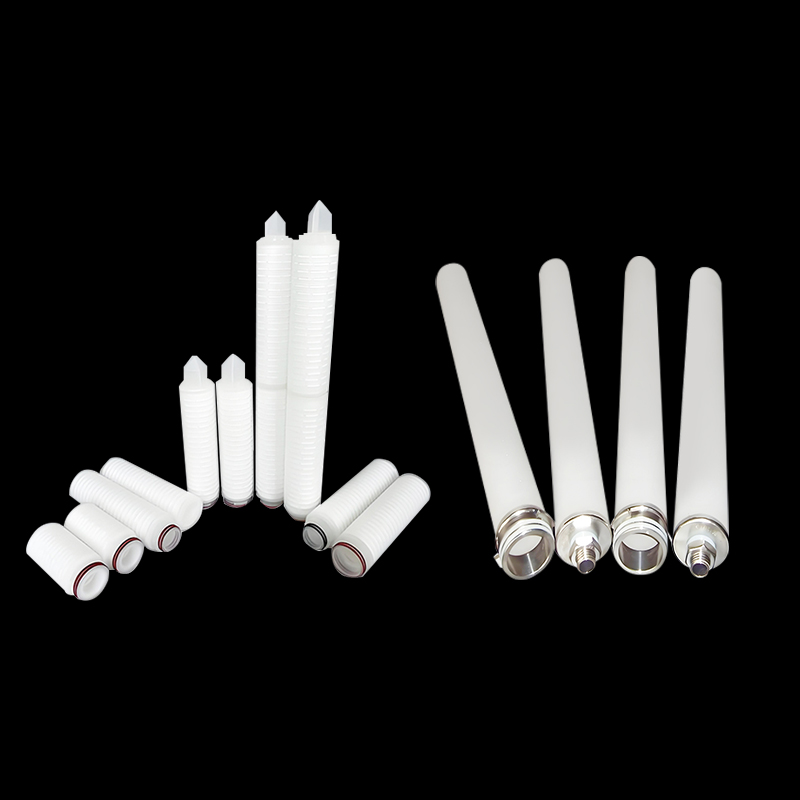
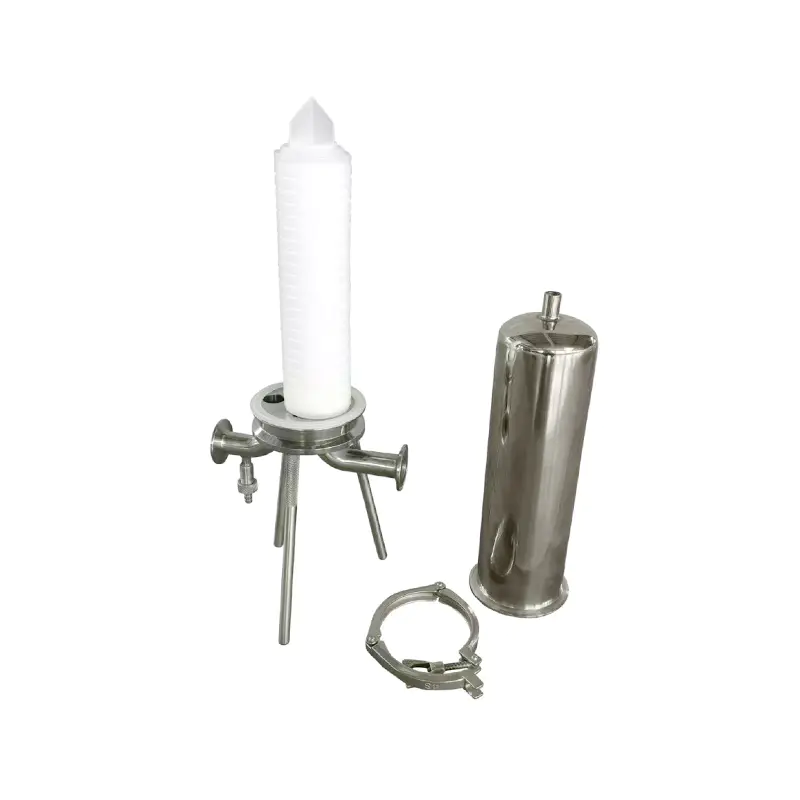
Filter elements are the core parts of a filtration system that physically or chemically separate impurities from fluids (liquids or gases). They come in different materials and designs, each suited for specific applications.
Key Functions of Filter Elements
- Removal of Contaminants: Solid particles, dust, microbes, and chemicals.
- Protection of Equipment: Prevents damage to pumps, engines, and sensitive components.
- Improved Efficiency: Ensures smooth operation by maintaining clean fluids.
- Regulatory Compliance: Meets industry standards for air and water purity.
Types of Filter Elements
Different applications require specific filter types. Below is a breakdown of common filter elements:
1. Mechanical Filter Elements
These rely on a physical barrier to trap particles. Common types include:
| Type | Material | Applications |
| Pleated Filters | Polyester, cellulose | HVAC systems, water filtration |
| Depth Filters | Fiberglass, foam | Oil filtration, fuel systems |
| Surface Filters | Wire mesh, sintered metal | Industrial air filters, hydraulic systems |
Advantages:
- High dirt-holding capacity.
- Reusable in some cases (e.g., washable mesh filters).
Limitations:
- Clogging can reduce efficiency if not maintained.
2. Activated Carbon Filters
These use adsorption to remove odors, chemicals, and gases.
| Type | Applications |
| Granular Carbon | Water purification, air purifiers |
| Carbon Block | Drinking water systems |
Advantages:
- Effective against chlorine, VOCs, and bad smells.
- Improves taste in water filtration.
Limitations:
- Requires periodic replacement.
- Not effective against heavy metals unless combined with other media.
3. HEPA and ULPA Filters
High-Efficiency Particulate Air (HEPA) and Ultra-Low Penetration Air (ULPA) filters capture microscopic particles.
| Type | Efficiency | Applications |
|---|---|---|
| HEPA | 99.97% of 0.3µm particles | Hospitals, cleanrooms |
| ULPA | 99.999% of 0.12µm particles | Semiconductor manufacturing |
Advantages:
- Extremely effective for fine particles.
- Critical in medical and electronic industries.
Limitations:
- High airflow resistance.
- Expensive compared to standard filters.
4. Membrane Filters
These use microporous materials for precise filtration.
| Type | Pore Size | Applications |
| Microfiltration | 0.1–10µm | Beverage clarification, labs |
| Ultrafiltration | 0.01–0.1µm | Wastewater treatment |
| Nanofiltration | 0.001–0.01µm | Desalination, pharmaceutical |
Advantages:
- Highly precise separation.
- Can remove bacteria and viruses.
Limitations:
- Susceptible to fouling.
- Requires regular cleaning.
How to Choose the Right Filter Element
Selecting the correct filter depends on several factors:
1. Filtration Efficiency
- Determine the smallest particle size you need to remove.
- Check the filter’s micron rating (e.g., 1µm, 5µm, 10µm).
2. Flow Rate and Pressure Drop
- A high-efficiency filter may reduce flow rate.
- Ensure the system can handle the pressure drop.
3. Compatibility with Fluids
- Chemical resistance (e.g., oil, water, solvents).
- Temperature tolerance (e.g., high-temperature hydraulic systems).
4. Maintenance Requirements
- Disposable vs. reusable filters.
- Cleaning methods (backwashing, replacement intervals).
5. Industry Standards
- Certifications like ISO, NSF, or ASHRAE compliance.
Common Applications of Filter Elements
1. Automotive Industry
- Engine Air Filters: Prevent dust from entering combustion chambers.
- Oil Filters: Remove metal particles and sludge.
2. Water Treatment
- Sediment Filters: Remove sand and rust.
- Reverse Osmosis Membranes: Desalinate water.
3. HVAC Systems
- Furnace Filters: Improve indoor air quality.
- HEPA Filters: Used in hospitals and labs.
4. Industrial Manufacturing
- Hydraulic Filters: Protect machinery from wear.
- Compressed Air Filters: Remove oil and moisture.
Maintenance Tips for Longer Filter Life
- Regular Inspections: Check for clogs or damage.
- Timely Replacement: Follow manufacturer guidelines.
- Proper Cleaning: Use recommended methods (e.g., compressed air for dust filters).
- Monitor Pressure Drop: A sudden increase indicates blockage.
Conclusion
Filter elements play a crucial role in maintaining system efficiency and protecting equipment. By understanding the different types, their applications, and selection criteria, you can optimize performance and reduce operational costs. Whether for air, water, or industrial fluids, choosing the right filter ensures longevity and reliability.
By focusing on filtration efficiency, compatibility, and maintenance, you can make informed decisions that enhance system performance while meeting industry standards.

 Phone: +86 182 1733 6020
 Add: No.7 Industrial Park, Xiayuan Town, Rugao City, Jiangsu Province